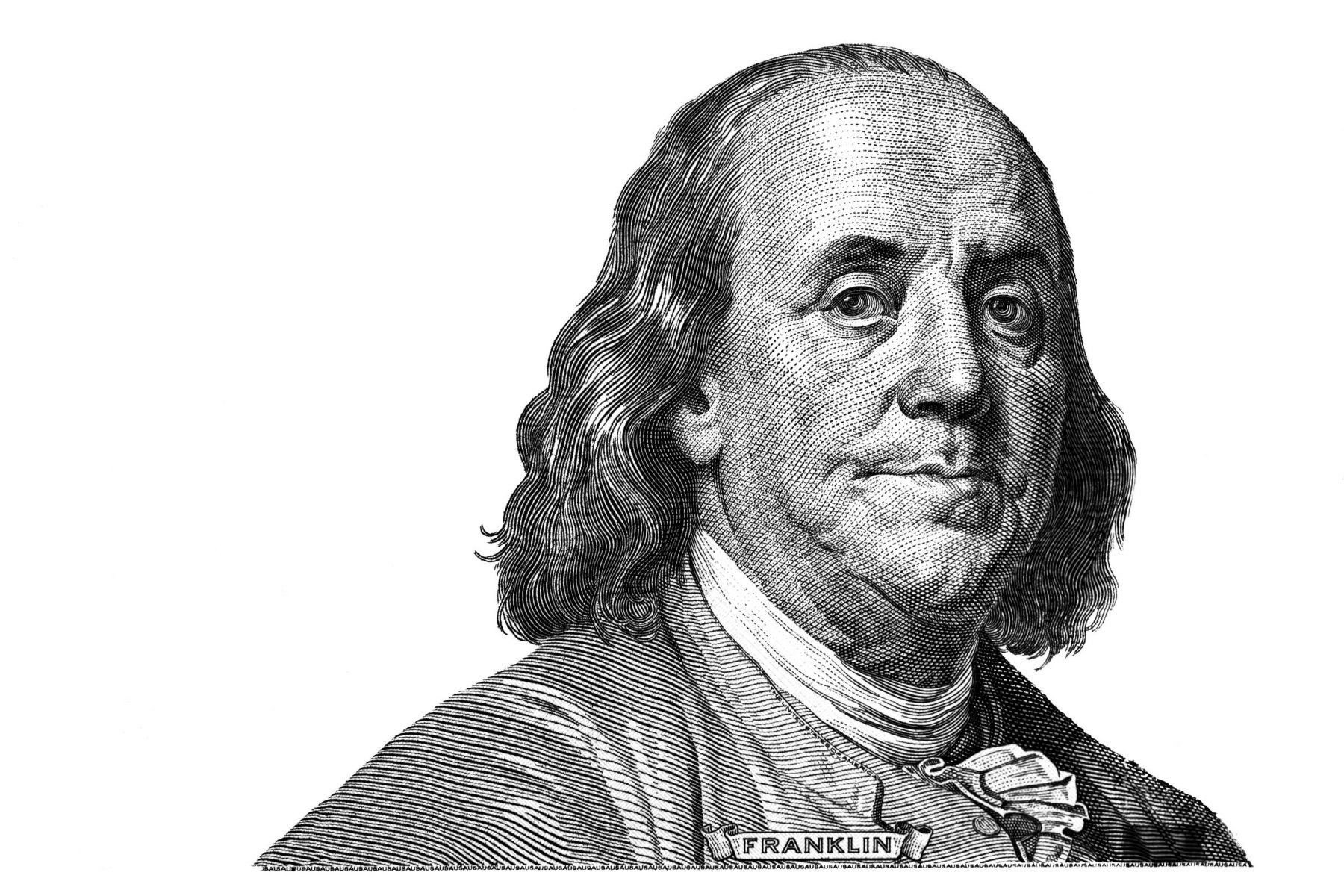
Honestly, if you took a time machine back to the 1700s and asked a random person on the street in London or Paris to name the most famous American alive, they wouldn't say George Washington. They'd say Ben Franklin.
He was basically the 18th-century version of a rock star.
Most of us know him as the guy on the hundred-dollar bill or the "kite and key" dude who almost got himself fried by lightning. But who was Benjamin Franklin really? To call him a "Founding Father" is a massive understatement. He was a runaway apprentice who became a media mogul, a scientist who revolutionized our understanding of the universe, and a diplomat who basically talked France into saving the American Revolution.
And no, he was never the President. That’s probably the biggest thing people get wrong.
From Printing Presses to Global Fame
Ben didn't start with much. He was the 10th son of a guy who made soap and candles in Boston. That’s a lot of siblings and not a lot of money. He had maybe two years of formal schooling before he had to start working. By age 12, he was an apprentice in his brother's print shop.
He hated it.
He eventually ran away to Philadelphia at 17 with nothing but a few coins and some extra shirts stuffed in his pockets. But he was smart—ridiculously smart. He knew how to write, and more importantly, he knew how to sell. By 23, he owned The Pennsylvania Gazette. He turned it into a hit by using humor and writing under fake names like "Silence Dogood" or "Richard Saunders."
This is where Poor Richard’s Almanack comes from. You've heard the sayings: "Early to bed and early to rise..." or "A penny saved is a penny earned." That was Franklin's 18th-century version of a viral Twitter thread. It made him wealthy enough to retire at 42. Think about that. He was done with "work" before most of us even hit our mid-life crisis.
The Science Years: Why He Flew That Kite
Once he retired from business, he went full "mad scientist," but with actual results. In the mid-1700s, people thought electricity was a mysterious liquid or maybe even magic.
Franklin had a hunch it was the same thing as lightning.
The famous kite experiment in June 1752 wasn't just a daredevil stunt. He wanted to prove that lightning was a natural electrical discharge. He didn't actually get struck by lightning (he would have died instantly); instead, the kite picked up the ambient electrical charge from the storm clouds.
This led to the lightning rod. Before this, if lightning hit your house or church, it just burned down. Franklin's invention literally saved cities. He also refused to patent it. He thought that because he benefited from others' inventions, he should give his own back to the world for free.
The Only Man Who Signed Everything
When the colonies started getting fed up with King George III, Franklin was the guy they sent to talk sense into the British. He lived in London for about 16 years, acting as a sort of unofficial ambassador. When it became clear that Britain wasn't going to budge, he came home and dove headfirst into the revolution.
He’s the only person to sign all four of the "big" documents that created the United States:
- The Declaration of Independence (1776)
- The Treaty of Alliance with France (1778)
- The Treaty of Paris (1783) - which ended the war.
- The U.S. Constitution (1787)
He was the elder statesman. At the Constitutional Convention, he was 81 years old and had to be carried in on a chair by prisoners. He was the one who kept the younger guys like Alexander Hamilton and James Madison from tearing each other’s throats out.
A Complicated Legacy
It’s easy to paint him as a perfect hero, but history is messier than that. For a long time, Franklin owned slaves. He even ran advertisements for slave sales in his newspaper.
However, his views shifted dramatically later in life. He eventually became the President of the Pennsylvania Abolition Society. By the time he died, he was petitioning Congress to end the slave trade and abolish slavery entirely. It’s a reminder that even the most "enlightened" people of that era were often stuck in the prejudices of their time, but some were at least capable of changing their minds.
Inventions You Still Use (And Some You Don't)
Franklin's brain never really shut off. He was constantly looking at things and thinking, "I can make that better."
- Bifocals: He got tired of switching between two pairs of glasses, so he cut the lenses in half and stuck them together.
- The Franklin Stove: A fireplace that actually heated the room instead of just sending all the warmth up the chimney.
- The Odometer: He wanted to know how far his mail carriages were traveling, so he built a gear-driven counter for the wheels.
- Swim Fins: As a kid, he made wooden paddles for his hands to help him swim faster. He was a champion swimmer, by the way.
- The Glass Armonica: A musical instrument made of spinning glass bowls. Mozart and Beethoven actually wrote music for it. It sounds like singing wine glasses.
Why Ben Franklin Still Matters in 2026
We live in an age of "personal branding," but Franklin invented it. He knew that if he walked around Philadelphia in a leather apron carrying his own paper, people would think he was a hard worker. When he went to France, he wore a fur hat because he knew the French thought Americans were "noble savages" from the wilderness. He played the character to get what he wanted: money and ships for the American army.
He was the ultimate polymath. He showed that you don't have to be just one thing. You can be a businessman, a scientist, a writer, and a politician all at once.
If you want to live a bit more like Ben, start with these three "Franklin-style" moves:
- Start a "Junto": Franklin formed a club of friends who met every Friday to discuss morals, politics, and philosophy. They helped each other grow their businesses. Networking isn't just for LinkedIn; it’s about real-world community.
- Keep a Journal: He famously tracked 13 virtues every day (like temperance, silence, and order) to see where he failed. You don't have to be that intense, but tracking your habits works.
- Never Stop Tinkering: Most of his inventions came from solving his own annoying problems. If something is broken in your daily life, don't just complain—fix it.
Benjamin Franklin died in 1790 at the age of 84. Roughly 20,000 people showed up to his funeral. At a time when the world was ruled by kings and queens, he proved that a kid who started out making soap could end up changing the course of human history just by being curious and working harder than everyone else.