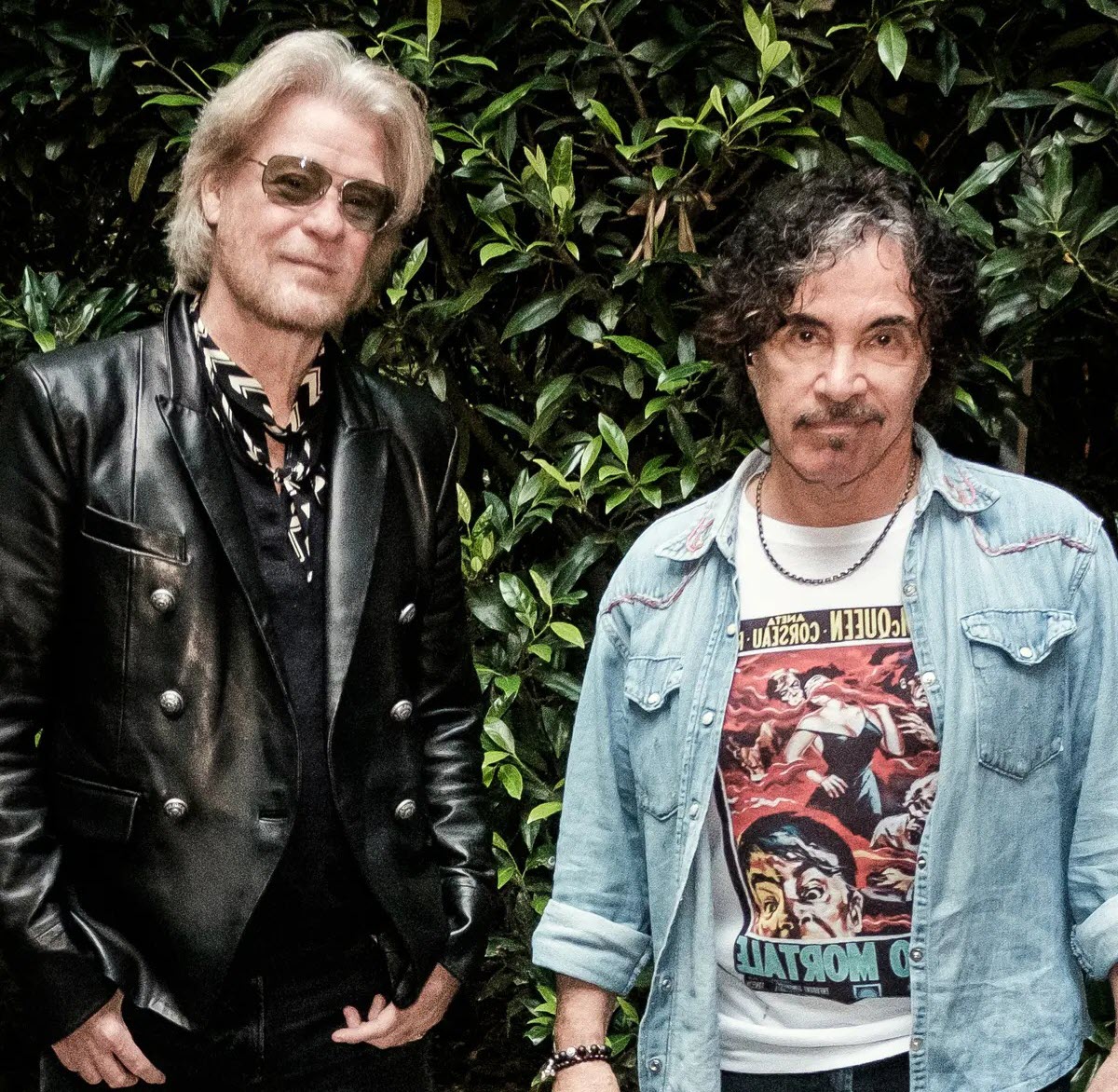
Daryl Hall and John Oates. You know the name. You definitely know the hooks.
Maybe you think of them as the kings of the 80s, all big hair and neon-tinted music videos. Or maybe you see them as the masters of "yacht rock"—a term they’ve never actually liked. Honestly, the Daryl Hall and John Oates discography is way weirder and more complex than most people realize.
They aren't just a "singles band." They’ve sold over 40 million albums. They’ve had six Number One hits on the Billboard Hot 100. But if you only listen to the greatest hits, you're missing the folk-rock experiments, the gritty soul sessions, and the avant-garde moments that almost ended their career before it really began.
The Philadelphia Soul Roots (1972–1974)
Most people think their story starts with a bang. It didn't.
When they met at Temple University, they weren't a duo. Hall was in a group called The Temptones; Oates was with The Masters. They famously met in a service elevator while escaping a gang fight at a band competition. Kinda cinematic, right?
Their first album, Whole Oats (1972), was basically a folk record. It’s quiet. It’s acoustic. It didn’t do much. But their second attempt, Abandoned Luncheonette (1973), is where the magic started. Produced by Arif Mardin, it gave us "She's Gone." It’s a masterpiece of "blue-eyed soul," but here’s the kicker: it wasn't a hit at first. It took years for the world to catch on.
Then things got strange.
For their third album, War Babies (1974), they teamed up with Todd Rundgren. It’s a loud, experimental rock record that confused everyone. Atlantic Records basically gave up on them after that.
The Breakthrough and the Silver Album
They moved to RCA, and that’s when the "Rock 'n Soul" sound really crystallized.
The 1975 self-titled album—often called "The Silver Album" because of the cover—finally put them on the map. Why? "Sara Smile." It’s a slow-burn soul track Hall wrote for his longtime collaborator and girlfriend, Sara Allen. It hit the Top 10. Suddenly, Atlantic Records realized they’d made a mistake and re-released "She's Gone," which also became a massive hit.
In 1977, they landed their first Number One with "Rich Girl" from the album Bigger Than Both of Us. They were officially stars.
But then, they hit a wall.
Between 1977 and 1979, albums like Beauty on a Back Street and Along the Red Ledge struggled. They were trying to find their place in a world dominated by disco and the emerging punk scene. They even worked with Robert Fripp of King Crimson—a collaboration that was so "out there" the record label actually blocked Hall's solo album from being released for years.
How the 80s Changed Everything
Basically, they decided to stop listening to producers and start producing themselves.
The result? Voices (1980). This is the pivot point. It’s the album that gave us "You Make My Dreams" and "Kiss on My List." It’s snappy. It’s modern. It’s got that distinctive 80s sheen, but the soul is still there.
From 1980 to 1984, they were arguably the biggest band in the world.
- Private Eyes (1981): This is peak Hall & Oates. The title track and "I Can't Go for That (No Can Do)" were inescapable.
- H2O (1982): They leaned into the synth-pop sound. "Maneater" became their biggest global hit.
- Big Bam Boom (1984): They teamed up with Arthur Baker for a more urban, street-smart sound. "Out of Touch" was their final Number One.
"I Can't Go for That" is particularly legendary. It’s one of the few songs by a white act to top the R&B charts. Even Michael Jackson reportedly told Daryl Hall he borrowed the bassline for "Billie Jean."
The Legacy Beyond the Hits
By the 90s, the "best-selling duo" title was officially theirs, but the hits started to dry up.
They never stopped making music, though. Change of Season (1990) was a more organic, acoustic-leaning record. Later albums like Marigold Sky (1997) and Do It for Love (2003) showed they could still write sophisticated pop, even if the radio wasn't playing it 24/7.
The Daryl Hall and John Oates discography isn't just a relic of the past. It’s been sampled by everyone from De La Soul to The Notorious B.I.G. and Simply Red.
If you want to actually understand their music, don't just put on a "Best Of" compilation. Dig into the deep cuts. Look for "When the Morning Comes" or "Everytime I Look at You." That's where you find the real craft.
Actionable Next Steps for Fans
If you're looking to dive deeper into their catalog, here is the best way to do it without getting overwhelmed by the sheer volume of releases.
- Listen to Abandoned Luncheonette first. It’s the bridge between their folk roots and the soul music that made them famous. It’s often cited by Daryl Hall as his favorite.
- Watch Daryl Hall’s solo work. His 1980 album Sacred Songs (the one with Robert Fripp) is a wild ride for anyone who thinks they only make "catchy" music.
- Check out Live at the Apollo. This 1985 live album features them performing with David Ruffin and Eddie Kendricks of The Temptations. It proves their R&B credentials once and for all.
- Explore the 12-inch remixes. During the 80s, their extended mixes were legendary in dance clubs. They weren't just "longer" versions; they were often completely re-imagined.
The reality is that Daryl Hall and John Oates managed to stay relevant across four decades by constantly shifting their sound. They were never just one thing. And that’s exactly why people are still listening today.