Fayetteville sits in a weird spot. If you’ve lived in the Sandhills for any length of time, you know the vibe when the humidity spikes and the sky turns that bruised, sickly shade of green. It isn’t just bad luck. There is actual science behind why a tornado in Fayetteville North Carolina feels like an inevitable part of the spring and fall calendar.
People often think of "Tornado Alley" as a Midwest thing. Kansas, Oklahoma, Nebraska—that's where the monsters live, right? Not exactly. While the Great Plains get the fame, North Carolina sits firmly in what meteorologists call the "Carolina Alley." It’s a secondary corridor of high-frequency tornadic activity that stretches from the upstate of South Carolina right through the heart of the Piedmont and into the Coastal Plain. Fayetteville is essentially the bullseye.
The 2011 outbreak is the one everyone still talks about. It was April 16th. A Saturday.
The Day Fayetteville Changed: April 16, 2011
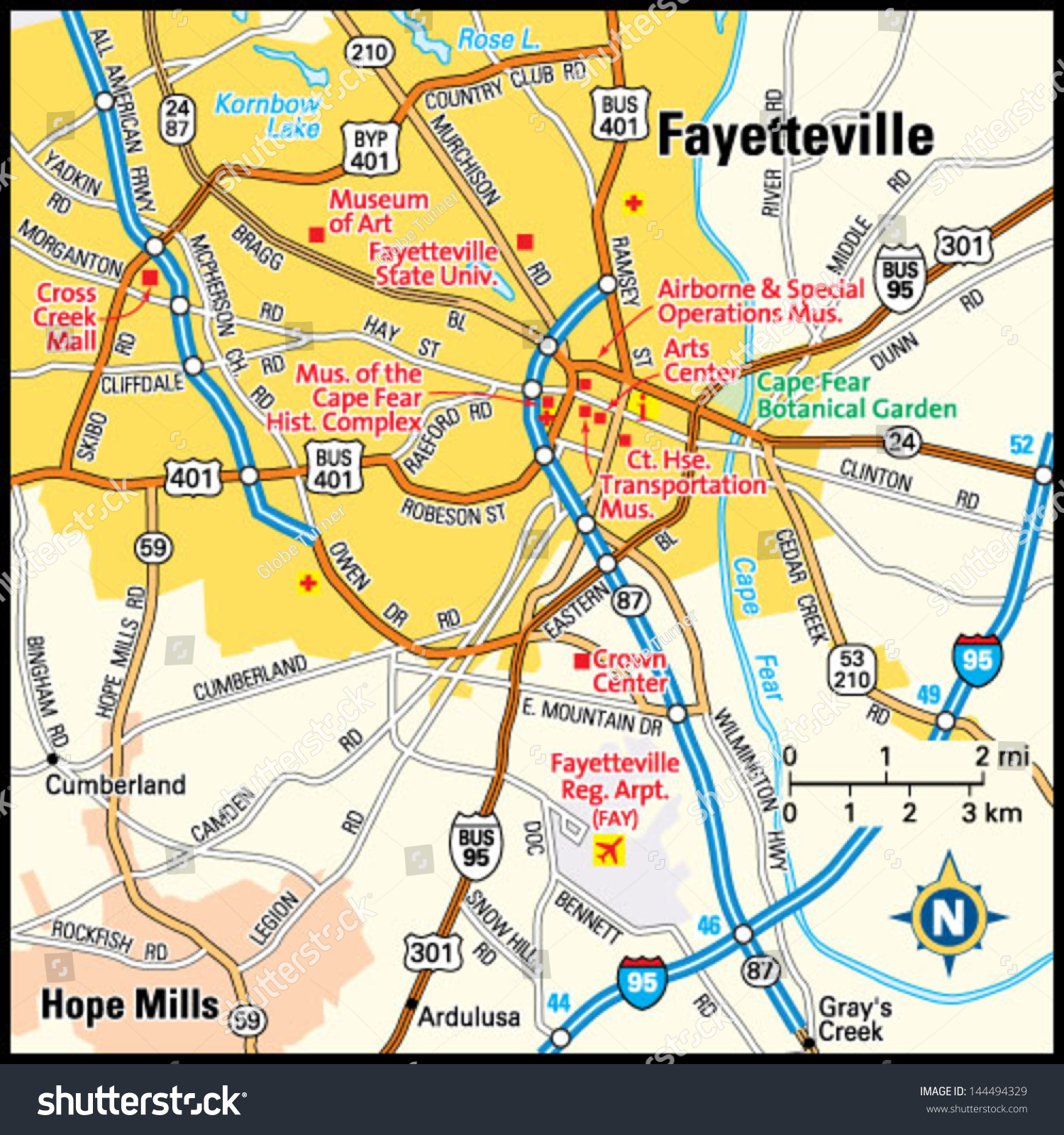
Most locals can tell you exactly where they were when the sirens started. This wasn't just a "spin-up." It was a violent EF-3 tornado that tore a path through the city, specifically hitting the Stony Point and Cottonade neighborhoods before ripping through the Goodyear plant area.
Think about the scale of that. We are talking about peak winds of 145 mph.
The storm didn't just knock over a few fences. It leveled homes. It turned the Lowe's Home Improvement on Ramsey Street into a pile of twisted metal and shattered lumber. Miraculously, because of the quick thinking of the staff who ushered everyone into the reinforced breakrooms and bathrooms, no one died inside that store. But the city was scarred. Total damage in Cumberland County alone topped $100 million.
Why was it so bad? Physics, basically.
You had a massive cold front slamming into warm, moist air coming off the Atlantic. Fayetteville sits right on the "fall line"—the geological boundary between the hard rocks of the Piedmont and the soft sands of the Coastal Plain. This transition in terrain can sometimes influence low-level wind shear. When you combine that with the atmospheric "gasoline" of a high-CAPE (Convective Available Potential Energy) environment, you get a disaster.
Identifying the Patterns in Cumberland County
It is easy to get paranoid every time a thunderstorm rolls in, but the data shows us certain trends. First off, Fayetteville doesn't just get spring tornadoes. We are also highly susceptible to "tropical tornadoes."
When a hurricane or tropical storm makes landfall on the Carolina coast, the right-front quadrant of the storm is a breeding ground for quick, rain-wrapped twisters. These are different from the 2011 supercells. They often happen at night. They move fast. You might not even see them on a standard radar app until they’re already on top of you.
- Spring Peaks: Late March through May is the primary window.
- Secondary Season: November often sees a spike as the seasons shift again.
- The "Nightmare" Factor: North Carolina has a higher-than-average percentage of nocturnal tornadoes, which are twice as deadly because people are asleep and don't hear the warnings.
Honestly, the "tornado Fayetteville North Carolina" search history usually spikes during these transition months for a reason. People are checking the sky. They should be.
The Infrastructure Problem: Why Damage Is So High
Fayetteville has grown fast. With that growth comes a lot of slab-on-grade housing and mobile home communities.
If you are in a mobile home during a tornado, you are at a massive disadvantage. In the 2011 event, a significant portion of the casualties in North Carolina—30 people died statewide that day—occurred in manufactured housing. Even a weak EF-1 can flip a mobile home if it isn't anchored perfectly, and let's be real, many aren't.
Then there is the tree canopy. Fayetteville is beautiful because of its pines and oaks. But in 100 mph winds, those beautiful trees become 20-ton projectiles. A huge portion of the property damage in neighborhoods like Haymount or Terry Sanford isn't from the wind hitting the house directly; it’s from a 70-foot Loblolly Pine snapping and pancaking the roof.
Common Myths About Fayetteville Tornadoes
Let’s clear some stuff up because "neighbor logic" can get people killed.
You’ve probably heard that the Cape Fear River protects the city. The myth says that the river "breaks up" the rotation or that the valley "sucks the wind out" of the storm. That is 100% false. Tornadoes cross rivers all the time. In 1984, during the legendary Carolinas Outbreak (which was actually more violent than 2011 in some ways), tornadoes crossed multiple bodies of water without losing an ounce of strength.
Another one? "Open your windows to equalize pressure."
Please don't do this. If a tornado is hitting your house, the last thing you want to do is stand near a window to open it. The pressure difference doesn't blow your house up; the wind getting inside the house and lifting the roof from the bottom up is what destroys the structure. Keep the windows shut. Get to the lowest point. Put a helmet on. Seriously, a bike helmet or a football helmet is the most underrated piece of safety gear you can have. Head trauma is the leading cause of death in these storms.
Modern Warning Systems in the Sandhills
We have better tools now than we did fifteen years ago. The National Weather Service in Raleigh handles the warnings for Cumberland County, and their dual-polarization radar can now detect "debris balls."
A debris ball is exactly what it sounds like. The radar isn't just seeing rain; it’s seeing pieces of insulation, shingles, and tree limbs lofted thousands of feet into the air. When a meteorologist sees that, they know it isn't just a "rotation." They know a tornado is actively on the ground doing damage. That is when the "Tornado Emergency" wording gets used—the highest level of alert.
What You Actually Need to Do
Fayetteville isn't going to stop being a target. The geography won't change. So, the "next time" isn't a matter of if, but when.
You need a localized plan. If you work on Fort Liberty (formerly Fort Bragg), know where the hardened shelters are in your building. Most of the barracks and office buildings are concrete, but they have a lot of glass. Glass is the enemy.
If you're at home, the "interior room, lowest floor" rule stands, but add a layer of protection. A heavy wool blanket or even a mattress over you can stop the "death by a thousand cuts" from shattering glass and flying debris.
Actionable Safety Checklist for Fayetteville Residents
- Program Your Weather Radio: Don't rely on cell towers. During a major tornado in Fayetteville North Carolina, towers often go down or get overloaded. A NOAA Weather Radio with SAME technology (Specific Area Message Encoding) for Cumberland County (code 037051) is the only fail-safe.
- Identify Your "Safe Spot" Now: It needs to be a room with no windows. A closet, a bathroom, or a pantry. If you live in a multi-story house, the space under the stairs is usually the sturdiest part of the frame.
- Digital Backups: Take photos of your home and your valuables right now. Upload them to the cloud. If you lose everything, having those photos for insurance adjusters is the difference between a six-month recovery and a two-year nightmare.
- The "Go Bag" Near the Spot: Keep a pair of sturdy shoes, a flashlight, and your prescriptions in or near your safe spot. If a tornado hits at 2:00 AM, you don't want to be walking through broken glass barefoot trying to find your glasses.
Fayetteville is a resilient city. We’ve rebuilt after 1984, 2011, and the various tropical systems that have spun up smaller twisters over the years. Understanding that our "Carolina Alley" is just as dangerous as the Midwest is the first step in making sure the next big one doesn't catch us off guard.
Stay weather-aware. When the local meteorologists like those at WRAL or WTVD start getting "the look" on their faces during a broadcast, take it seriously. They know the history of this region just as well as the survivors of Cottonade do.
Key Resources for Real-Time Updates
- National Weather Service Raleigh: The primary source for all watches and warnings.
- Cumberland County Emergency Management: Provides local shelter information and post-storm recovery assistance.
- ReadyNC.gov: A state-specific resource for building emergency kits tailored to North Carolina's unique climate risks.
Preparation is basically the only thing we can control when the atmosphere decides to turn violent. Don't wait for the sirens to test your plan.