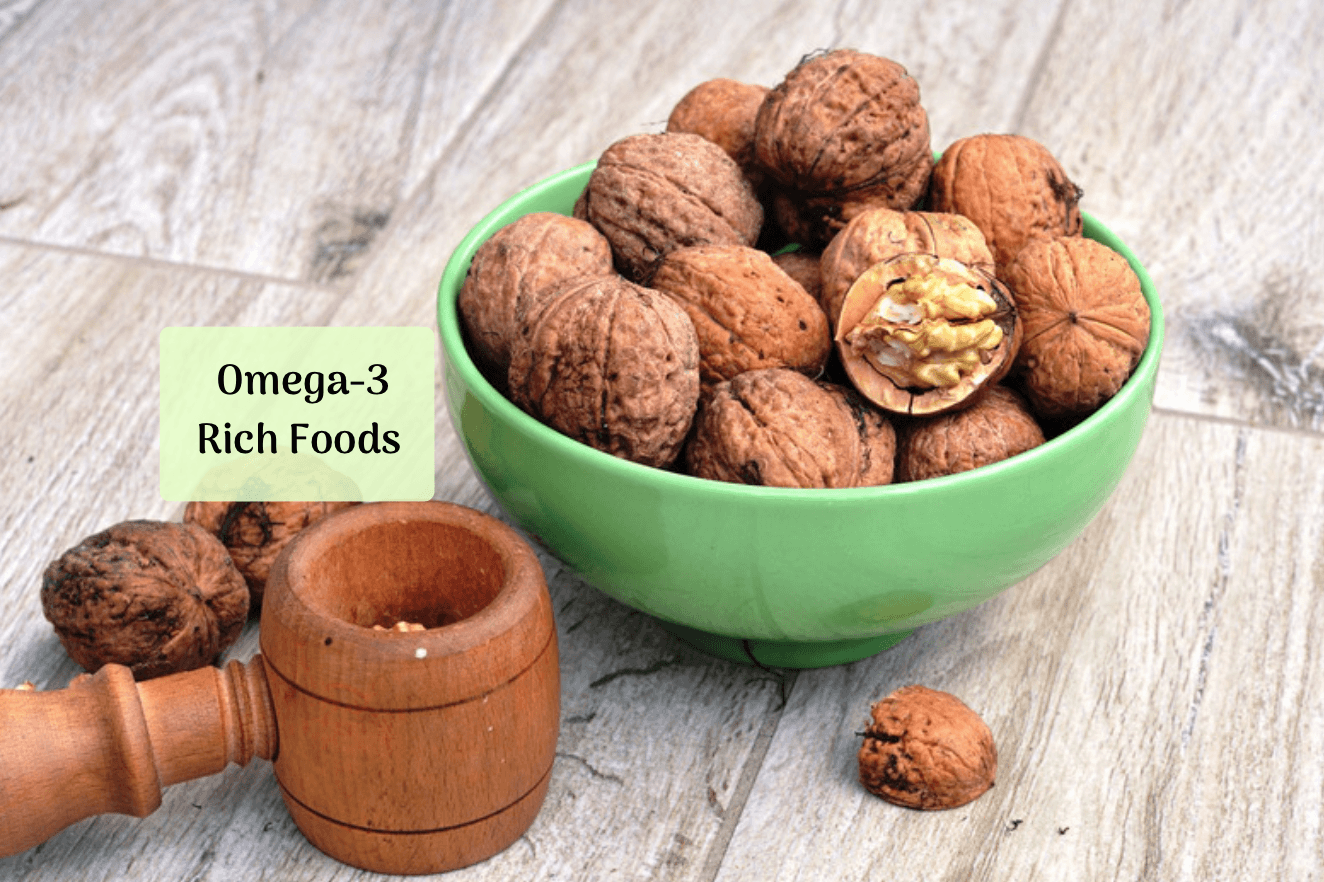
You’ve heard it before. Eat your salmon. Take your fish oil. We’ve been told for decades that omega-3s are the holy grail of heart health, but honestly, most people are just guessing. They buy a dusty bottle of capsules from the pharmacy clearance rack and hope for the best. It’s not that simple. Your body doesn't just want "omega-3s"—it wants specific types, and it wants them from sources it actually knows how to process.
If you’re looking for food that has omega 3 fatty acids, you’re likely trying to fight inflammation or maybe just keep your brain from feeling like mush after a long day. Good. You should be. But there is a massive gap between eating a handful of walnuts and getting the therapeutic levels of EPA and DHA that researchers like Dr. Bill Harris, a leading expert on the Omega-3 Index, actually recommend.
Most people fail here. They think all omega-3s are created equal. They aren’t.
The ALA vs. EPA/DHA Trap
Let’s get the technical stuff out of the way because it matters for your grocery list. There are three main players: ALA, EPA, and DHA.
ALA (alpha-linolenic acid) is found in plants. Think flaxseeds, chia, and walnuts. Your body can convert ALA into the "active" forms, EPA and DHA, but it’s remarkably bad at it. We're talking a conversion rate that's often less than 5%. If you rely solely on plant-based food that has omega 3 fatty acids, you might be starving your brain of the DHA it craves for cognitive function.
EPA (eicosapentaenoic acid) and DHA (docosahexaenoic acid) are the heavy lifters. They come from the sea. This is why the Mediterranean diet isn't just a trend; it's a physiological blueprint.
Why Your Salmon Might Be Lying to You
Not all fish is a superfood. If you’re buying farm-raised Atlantic salmon from a massive commercial operation, the omega-3 profile might be significantly lower than wild-caught Sockeye or King salmon. Why? Because fish are what they eat. Wild salmon eat algae and smaller fish. Farmed salmon often eat pellets made of corn, soy, and poultry fat.
It's a weird reality. You think you're doing your heart a favor, but you're actually consuming a profile more akin to a chicken breast than a deep-sea predator.
If you want the real deal, look for "S.M.A.S.H." fish:
- Sardines
- Mackerel
- Anchovies
- Salmon (Wild)
- Herring
These are smaller fish. They sit lower on the food chain, which means they don't accumulate the mercury and toxins that larger fish like Tuna or Swordfish do. Plus, they are packed with minerals. A tin of sardines isn't just food that has omega 3 fatty acids; it’s a hit of calcium and vitamin D that most people are desperately lacking.
The Plant-Based Reality Check
I'm not saying flaxseeds are useless. Far from it. They are incredible for fiber and lignans, which help with hormone balance. But if you’re a vegan or vegetarian, you have to be intentional. You can’t just sprinkle a teaspoon of chia seeds on your oatmeal and call it a day.
To get enough ALA to make up for the poor conversion rate, you need volume. We’re talking tablespoons, not teaspoons.
- Walnuts: Great for a snack, but they have a high omega-6 content too. You want a better ratio.
- Chia Seeds: These are basically tiny sponges for nutrition.
- Hemp Hearts: A bit nuttier, great on salads, and surprisingly high in protein.
- Algae Oil: This is the "secret weapon" for plant-based eaters. Since fish get their omega-3s from eating algae, you can just skip the middleman (the fish) and go straight to the source.
Brain Health and the 8% Rule
There’s this thing called the Omega-3 Index. It measures the amount of EPA and DHA in your red blood cell membranes. If you're under 4%, you're in the "high risk" zone for cardiovascular issues. Most Americans are sitting at about 3% or 4%. People in Japan, who eat fish constantly, are often at 8% or higher.
That 8% mark is where the magic happens.
Research published in the Journal of Clinical Lipidology suggests that reaching an 8% index can add years to your life expectancy. It’s not just about not dying, though. It’s about how you feel while you’re alive. DHA makes up about 20% of the fat in our brain’s cerebral cortex. When you don't eat enough food that has omega 3 fatty acids, your brain's communication network—the synapses—doesn't fire as efficiently. You get "brain fog." You get irritable.
It’s About the Ratio, Not Just the Amount
Here is the part most "top 10 lists" won't tell you. You could eat salmon every single day, but if you're also frying everything in soybean oil or corn oil, you’re neutralizing the benefits.
Our ancestors ate a diet where the ratio of Omega-6 to Omega-3 was roughly 1:1 or 2:1. Today? The average person is eating a ratio of 15:1 or even 20:1. Omega-6s (found in processed vegetable oils) are pro-inflammatory in high amounts. They compete for the same enzymes that process omega-3s.
Basically, your body’s processing plant is overwhelmed by "bad" trucks, and the "good" trucks (the omega-3s) can’t get to the loading dock.
To fix this, you don't just add food that has omega 3 fatty acids. You have to subtract the junk. Swap the sunflower oil for extra virgin olive oil or avocado oil. Stop eating the "heart-healthy" margarines that are actually just chemical sludge.
Hidden Gems You’re Overlooking
Everyone knows about fish and seeds. But there are other places to find these fats if you look closely.
- Pasture-Raised Eggs: If the chickens are allowed to roam and eat bugs and grass, their yolks will have significantly more omega-3s than "cage-free" or conventional eggs. Look for that deep, dark orange yolk. That’s a sign of nutrient density.
- Grass-Fed Beef: This is controversial for some, but the data is there. Grain-fed cattle have almost zero omega-3s. Grass-fed cattle have a much better profile. It’s not as high as salmon, but it adds up if you're a meat-eater.
- Brussels Sprouts: Surprised? They contain a decent amount of ALA for a vegetable. If you roast them with some walnuts, you’re hitting two sources at once.
Cooking Matters More Than You Think
You can ruin a perfectly good piece of wild salmon by overcooking it at high heat. Omega-3s are fragile. They are polyunsaturated fats, which means they have multiple double bonds that are easily broken by heat, light, and oxygen. This is called oxidation.
If your fish tastes "fishy," it’s already oxidized. It’s going rancid.
Fresh fish should smell like the ocean, not a swamp. When you cook it, aim for medium-rare or medium. Gentle methods like poaching, steaming, or slow-roasting at 300°F are way better for preserving those delicate fats than blackening it in a cast-iron skillet at 500°F.
The same goes for oils. Never, ever cook with flaxseed oil. It’s strictly a finishing oil. Keep it in the fridge in a dark bottle. If it sits on a sunny counter for a week, it’s garbage.
The Supplement Question
I get asked this constantly: "Can I just take a pill?"
Sure. But be careful. A study by ConsumerLab found that a significant percentage of fish oil supplements on the market were rancid before they even hit the shelves. If you take rancid fish oil, you are literally swallowing inflammation.
If you choose a supplement, look for "Third-Party Tested" or "IFOS Certified" (International Fish Oil Standards). This ensures that what’s on the label is actually in the bottle and that it hasn't gone bad. Also, look for the "Triglyceride form" rather than "Ethyl Ester." The triglyceride form is much better absorbed by the human body.
But honestly? Just eat the food. Food that has omega 3 fatty acids comes with co-factors. Salmon has selenium and astaxanthin (a powerful antioxidant). Sardines have bones (calcium). Nature packaged these things together for a reason.
Actionable Steps for Next Week
Don't try to overhaul your entire pantry today. It won't stick. Instead, try these three things:
- The SMASH Swap: Next time you're at the grocery store, skip the tilapia or shrimp and buy two tins of high-quality sardines or a bag of frozen wild-caught mackerel fillets. Use them in a pasta or on toast.
- The Oil Audit: Check your pantry. If the first three ingredients in your "healthy" salad dressing are soybean oil, canola oil, or cottonseed oil, toss it. Replace it with a dressing made from extra virgin olive oil.
- The Walnut Habit: Keep a jar of raw (not roasted) walnuts on your desk. Have five or six halves in the afternoon when you're reaching for a sugary snack. It’ll help your brain focus and give you a steady hit of ALA.
Omega-3s aren't a "set it and forget it" nutrient. They are a fundamental building block of your cellular structure. If you start prioritizing food that has omega 3 fatty acids today, you'll likely notice the difference in your skin, your joints, and your mood within about three to four weeks. That’s how long it takes for your red blood cells to start reflecting the change.
Stop guessing. Start eating the right fats. Your future self—the one who can still remember where they put their keys—will thank you.