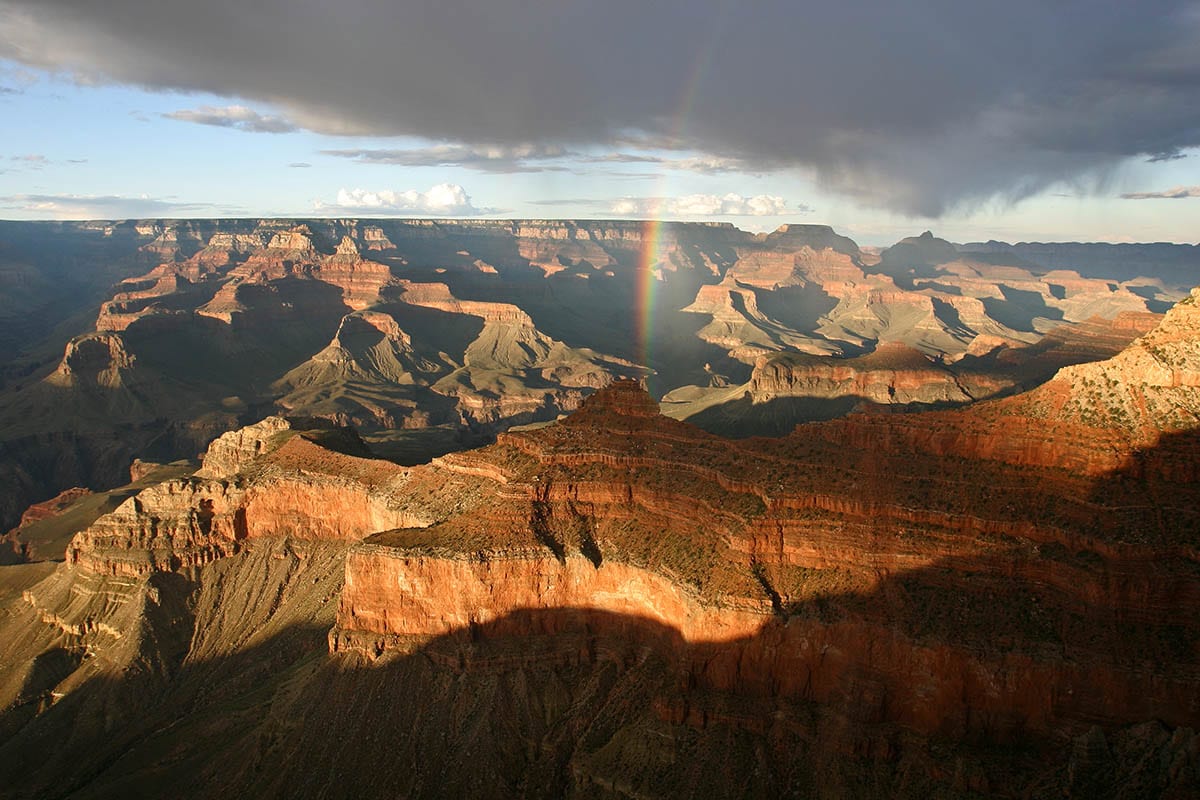
You’ve probably heard the Grand Canyon is a desert. People think "Arizona" and immediately picture cacti, blistering heat, and dusty rocks. But if you're heading to the North Rim, that assumption is a one-way ticket to shivering in a thin t-shirt while the wind whips through the pines.
Honestly, the north rim grand canyon weather forecast is a completely different beast compared to the South Rim.
It's higher. Much higher. We’re talking over 8,000 feet in elevation. That 1,000-foot difference from the South Rim changes everything. It’s the difference between a pleasant spring day and a surprise snowstorm that shuts down the only road in.
The Reality of the Seasonal Shutdown
Most people don't realize the North Rim isn't a year-round destination. It basically goes into hibernation. Because of the insane amount of snow—averaging about 144 inches a year—the park service literally locks the gates.
For 2026, the tentative reopening date is May 15.
But "opening" doesn't mean it’s summer. In late May, you’re still looking at nighttime lows that can dip below freezing. If you're camping at the North Rim Campground, bring a sleeping bag rated for at least 20°F. I’ve seen people show up in May with "summer gear" and end up sleeping in their cars with the heater running just to survive the night.
Why the Forecast Lies (Sorta)
When you check a generic weather app for "Grand Canyon," it usually defaults to Grand Canyon Village on the South Rim.
That's a mistake.
The North Rim is consistently 10 to 15 degrees cooler than the South Rim. If the South Rim is 80°F, the North Rim is likely a crisp 65°F. It feels more like the mountains of Colorado than the deserts of the Southwest.
Summer Monsoons: The Real Danger
July and August bring the "monsoon season." It sounds tropical, but in Northern Arizona, it means violent, sudden afternoon thunderstorms.
One minute it's blue skies; the next, you’re being pelted by hail.
The lightning here is no joke. The National Park Service records about 25,000 lightning strikes annually in the park. If you're standing on an exposed point like Cape Royal or Point Imperial when the clouds turn gray, you are the tallest thing for miles.
Basically, if you hear thunder, you need to be in your car or a building. Don't hide under a lone tree. That’s just common sense, but every year, someone tries to "wait it out" under a pine and regrets it.
Packing for the "Four Seasons in One Day"
You've got to layer. There’s no way around it.
- Base Layer: Moisture-wicking (no cotton, seriously).
- Mid Layer: A light fleece or "puffy" jacket.
- Outer Layer: A real rain shell. Not a plastic poncho that’ll shred in the wind.
In August, you might start a hike in shorts at 10:00 AM and need a jacket by 2:00 PM because a storm rolled in and dropped the temperature 20 degrees in ten minutes.
Autumn: The Sweet Spot (With a Catch)
September and October are arguably the best times to visit. The aspens turn gold—a sight most people don't even know exists at the Grand Canyon. The air is crisp, the crowds are thinner, and the light for photography is incredible.
But here’s the catch.
The North Rim starts winding down services in mid-October. Usually, the lodge and restaurants close around October 15, even if the road stays open for day use until the first major snow.
In 2025, the park had to shut down early on November 14 because a massive winter storm moved in. For 2026, expect a similar timeline. If you’re planning a trip for late October, keep a very close eye on the north rim grand canyon weather forecast for "Winter Storm Warnings." Once that snow starts, Highway 67 becomes impassable, and the North Rim becomes a ghost town until spring.
Survival Tips for the High Elevation
The air is thin up there.
You’ll get winded walking to the rim from the parking lot. Combine that with the dry air, and you’ve got a recipe for a nasty altitude headache.
- Hydrate more than you think. The wind evaporates sweat instantly, so you won't feel "sticky," but you're losing water fast.
- Sunscreen is mandatory. At 8,000 feet, the UV rays are brutal. You’ll burn in 15 minutes, even if it feels cool outside.
- Check the "Inner Canyon" temps. If you’re hiking down the North Kaibab Trail, remember the temperature increases about 5.5°F for every 1,000 feet you descend. The rim might be a lovely 75°F, but the bottom of the canyon could be a lethal 110°F.
If you are planning to visit in the 2026 season, your first move should be checking the official NPS "Current Conditions" page about 48 hours before you arrive. Forecasts out here are fickle, and "scattered showers" often means "monumental downpour."
Your Next Steps
To stay safe and make the most of the trip, do these three things right now:
- Verify your dates: Ensure your visit falls between May 15 and October 15 to guarantee full access.
- Download offline maps: Cell service is non-existent on the drive up Highway 67 through the Kaibab National Forest.
- Book lodging yesterday: Even with the "cooler" weather, the North Rim Lodge fills up 13 months in advance.