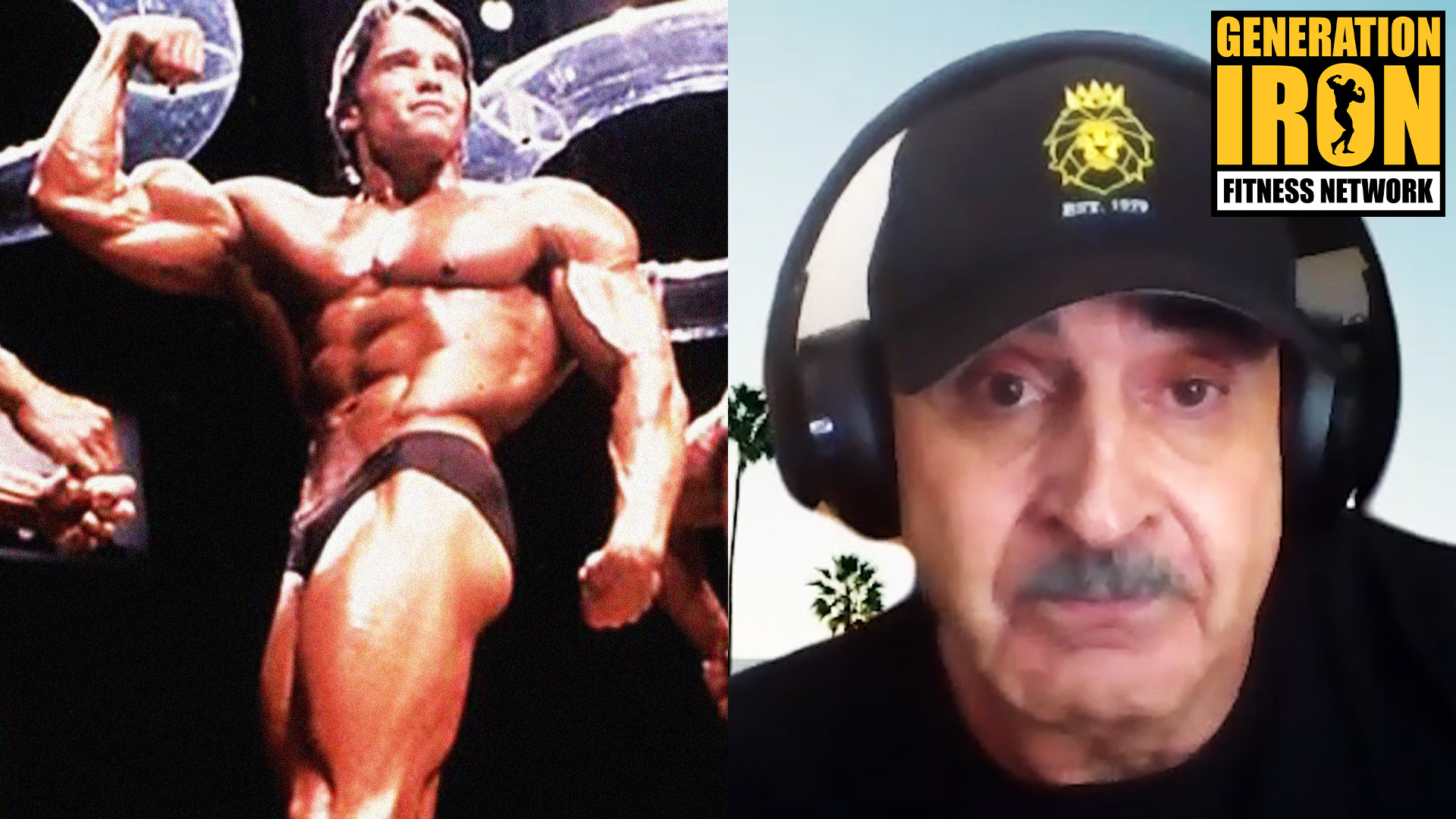
Bodybuilding is weird. It’s this strange intersection of pageant, athletic feat, and raw ego. But if you want to see where the modern version of the sport actually lost its innocence, you have to look at the Arnold Schwarzenegger Olympia 1980 win in Sydney. It was a mess. Honestly, calling it a "controversy" feels like a bit of an understatement. To some, it was a fixed outcome. To others, it was the ultimate alpha move by the greatest to ever do it.
Imagine the scene.
The year is 1980. Arnold hasn't competed in five years. He's a movie star now, or at least he's trying to be. He’s in Australia supposedly to do color commentary for the broadcast. Then, out of nowhere, he enters the competition at the very last second. He wasn't even on the official posters. The other athletes, guys like Mike Mentzer and Frank Zane who had been dieting for months and living on egg whites and tilapia, were blindsided.
It was chaos.
The Comeback That Nobody Saw Coming
Arnold was in Sydney to film Conan the Barbarian. That's the official story. He was training for the role, getting lean, but he wasn't "Olympia lean." At least, not by the standards of the day. But something clicked in his head. Maybe he saw the lineup and thought he could take them. Maybe he just missed the spotlight. Whatever the reason, he stepped onto that stage and the air just left the room.
He wasn't at his 1974 peak.
His legs were noticeably smaller. His back lacked the detail he had in the mid-70s. But he had the charisma. He had that "it" factor that made judges look at him even when he wasn't posing. That's the thing about the Arnold Schwarzenegger Olympia 1980 appearance; it proved that bodybuilding isn't just about muscle fibers. It's about psychology. Arnold knew how to manipulate a stage. He would crack jokes, move when he wasn't supposed to, and basically bully the other competitors without saying a word.
Mike Mentzer and the Heavy Duty Heartbreak
If there is a victim in this story, it’s Mike Mentzer. Mike was the antithesis of Arnold. He was the "Heavy Duty" guy—high intensity, scientific, brooding, and intense. He believed in logic. He believed that if you were the biggest and most conditioned, you won. Period.
The Arnold Schwarzenegger Olympia 1980 results shattered Mentzer. He placed fifth. Fifth. For a guy who looked like he was carved out of granite, that was an insult.
The tension backstage was thick enough to cut with a dull knife. During the pre-contest meeting, Arnold reportedly made a comment about Mentzer’s belly, suggesting he lost because of a "big stomach." Mentzer almost went across the table. It wasn't just a sport at that point; it was a clash of ideologies. Mentzer never really got over it. He retired shortly after, bitter and disillusioned with the IFBB. He felt the system was rigged to favor the "Golden Boy" regardless of what the actual physiques looked like on stage.
Why the Judging Was So Sketchy
Look, let’s be real. The judging panel in Sydney was... interesting. Several of the judges were close friends or business associates of Arnold. This isn't a conspiracy theory; it’s just how the sport worked back then. Ben Weider and Joe Weider were building an empire, and Arnold was the face of that empire.
- Reg Park: A mentor to Arnold.
- Albert Busek: A close friend who had helped Arnold’s career in Europe.
- Mits Kawashima: Another close personal friend.
When you have three or four people on a panel who have a personal stake in your success, you’re going to get the benefit of the doubt. Frank Zane, the reigning champ, was there. Chris Dickerson was there. Boyer Coe was there. All of these guys were in better "condition" than Arnold. They were shredded. Arnold was "smooth" by comparison. Yet, when the scores came in, Arnold took the Sandow.
The audience didn't like it. When Arnold was announced as the winner, the Sydney Opera House erupted—not in cheers, but in boos. It was the first time in history a Mr. Olympia winner was openly jeered by the crowd.
The Physical Reality of the 1980 Physique
If we’re being objective, Arnold’s upper body was still world-class. His chest and biceps were, and arguably still are, the gold standard for the sport. But his legs were a problem. Because he had been training for a movie role and not a bodybuilding show, he didn't have the "wheels" to match his torso.
In modern bodybuilding, you can't win with weak legs. Back then, you could, provided you were Arnold Schwarzenegger.
The Arnold Schwarzenegger Olympia 1980 win changed the judging criteria forever, though maybe not in the way people hoped. It showed that the "Total Package" included marketability. The IFBB needed Arnold to win because Arnold meant ticket sales. He meant legitimacy for a sport that most people still thought was for "muscle-bound freaks." By having the star of Pumping Iron come back and win, the sport stayed in the headlines.
The Aftermath and the "Fixed" Label
The fallout was massive. Frank Zane reportedly threw his trophy against a wall. Boyer Coe was vocal about the unfairness. Several top-tier bodybuilders boycotted the 1981 Olympia in protest. The sport felt "dirty" for a while.
But here is the weird part.
As years went by, the Arnold Schwarzenegger Olympia 1980 controversy actually added to the legend. It became the "Lost Olympia." It’s the one we all talk about at the gym when we’re debating who the GOAT is. Did he deserve it? Probably not on physical merit alone. Did he win because he was the most dominant personality to ever walk onto a stage? Absolutely.
Real Insights for the Modern Fan
If you're looking at this through the lens of a fan or a burgeoning athlete, there are a few things to take away from that night in Sydney.
First, conditioning isn't everything if you lack stage presence. Arnold won because he commanded the room. He made the other guys look like they were just participating in his show.
Second, the "politics" of sports are as old as the sports themselves. Whether it's the NFL or a bodybuilding stage, the "narrative" often carries as much weight as the performance. Arnold was the narrative.
Lastly, the 1980 Olympia taught us that a "flawless" physique can be beaten by a "legendary" one. It’s not fair, but it’s the truth.
Moving Forward With This Knowledge
To truly understand the impact of this event, you should seek out the rare footage of the 1980 Sydney Opera House finals. Don't just look at the grainy photos that have been retouched in magazines. Watch the "comparison" rounds. Notice how Arnold stands. Notice how he interacts with the judges.
If you're an athlete, study his "psychological warfare." He didn't just out-pose them; he out-thought them. For anyone interested in the history of the sport, the 1980 Olympia serves as the ultimate cautionary tale of what happens when celebrity and competition collide.
Check out the "The Comeback" documentary if you can find a copy. It gives a slightly sanitized but still revealing look at the prep leading up to that day. Understanding the Arnold Schwarzenegger Olympia 1980 win is basically a prerequisite for being a real bodybuilding historian. It’s the moment the sport grew up, for better or worse.
Go watch the footage of the 1980 posing routines and compare Arnold’s midsection to Mike Mentzer’s. You’ll see exactly why the fans were screaming that night. Then, look at the way Arnold smiles at the camera during the trophy presentation. That smile tells you everything you need to know about who was really in control.