Medical dramas are a dime a dozen. You’ve seen the formula. There is usually a high-pressure ER, a few doctors having affairs in supply closets, and a "case of the week" that gets solved by a stroke of genius in the final ten minutes. But when The Good Doctor TV series premiered on ABC in 2017, it didn’t just follow the Grey’s Anatomy blueprint. It broke it.
Based on a South Korean show of the same name, the American version stars Freddie Highmore as Dr. Shaun Murphy. Shaun is a young surgeon with autism and savant syndrome. Honestly, at first, people were skeptical. Could a neurotypical actor really pull off a nuanced portrayal of autism without it feeling like a caricature? Would the show just be "Rain Man" in a lab coat?
Seven seasons later, we have the answer. It became a global juggernaut. It wasn't just about the medicine; it was about the friction of a world that isn't built for people who think differently.
What Most People Get Wrong About Shaun Murphy
A lot of viewers think Shaun’s "superpower" is his savant syndrome. They see those cool CGI graphics of anatomy floating on the screen and think that’s the whole point of The Good Doctor TV series. It’s not.
The real heart of the show is the social exhaustion. Shaun doesn’t just "have" autism like a backpack he carries around. It informs every single interaction, from how he delivers bad news to a grieving mother to how he navigates a first date with Lea Dilallo. Highmore’s performance is twitchy, precise, and deeply researched. He worked closely with consultant Melissa Reiner to ensure the character's behaviors—like his lack of eye contact or his specific vocal cadence—weren't just random "acting choices" but were rooted in real-world experiences of the ASD community.
It’s messy. Shaun isn't always "the hero" in the traditional sense. He can be blunt to the point of cruelty. He can be rigid. But that’s the reality of neurodivergence that TV usually ignores in favor of making characters "inspirational."
The St. Bonaventure Reality
The setting is San Jose St. Bonaventure Hospital. It’s a fictional place, obviously, but the interpersonal politics feel shockingly real. You have Dr. Aaron Glassman (Richard Schiff), who acts as Shaun’s mentor and surrogate father. Their relationship is the emotional anchor of the entire series.
It’s not always sunshine. Glassman faces constant heat from the hospital board for hiring Shaun. The legal risks. The communication barriers. The show actually tackles the "ability" vs. "liability" debate head-on. In the pilot, Dr. Marcus Andrews (Hill Harper) is a straight-up antagonist because he views Shaun as a danger to patients. He’s not a "villain" in the cartoon sense; he’s a Chief of Surgery worried about malpractice suits. That’s a real conflict hospitals face.
The Supporting Cast and Subverting Tropes
While Shaun is the lead, the ensemble is what kept the show alive for over 120 episodes. You have Dr. Claire Browne (Antonia Thomas), who served as the "empathy" to Shaun’s "logic." Her departure in later seasons was a massive blow to fans, but it allowed the show to pivot toward Shaun’s growing independence.
Then there’s Dr. Morgan Reznick. She’s polarizing. Some fans hate her. She’s competitive, often mean, and unapologetically ambitious. But seeing her develop a chronic illness (rheumatoid arthritis) that threatens her surgical career was one of the most grounded storylines the writers ever produced. It showed that even the most "perfect" doctors are one diagnosis away from losing their identity.
Why the Show Ended When It Did
In early 2024, it was announced that Season 7 would be the final run. This was a shock to some, but if you look at the narrative arc, it makes sense. The The Good Doctor TV series was always a coming-of-age story.
Shaun started as a terrified resident who couldn't even buy his own groceries without a meltdown. By the end, he’s a husband, a father, and an attending surgeon. Where else was there to go? Pushing it to Season 10 or 11 would have likely devolved into the soap-opera territory that plagues other long-running medical shows. By ending it on Shaun's terms, the creators preserved the integrity of his growth.
The final season dealt with heavy themes—grief, legacy, and the inevitable passage of time. It wasn't always easy to watch. But it was honest.
The Cultural Impact: More Than Just Ratings
We have to talk about representation. For years, the only "autistic" characters on TV were either punchlines or magical geniuses who solved crimes. The Good Doctor TV series offered a middle ground. Shaun struggles. He fails. He loses patients. He gets fired (briefly).
According to various advocacy groups, the show sparked a massive uptick in conversations regarding neurodiversity in the workplace. It forced viewers to ask: "If I were in that waiting room, would I trust a doctor who couldn't look me in the eye but knew exactly how to save my life?"
It’s a tough question. Most people like to think they’re open-minded, but the show exposes the unconscious bias we all carry.
Practical Takeaways for Fans and New Viewers
If you’re just starting the series or looking to revisit it, keep these things in mind to get the most out of the experience:
- Watch the Pilot vs. the Finale: The contrast in Shaun’s body language and speech patterns is a masterclass in long-term character development. Freddie Highmore subtly evolves the character over seven years.
- Pay Attention to the Medical Graphics: They aren't just for show. They represent Shaun’s "spatial thinking." It’s a visualization of how some savants process complex data sets as 3D imagery.
- Look for the "Small" Victories: The medical miracles are cool, but the real wins in this show are Shaun learning to tell a joke, or understanding sarcasm, or navigating a sensory-overloaded environment like a crowded bar.
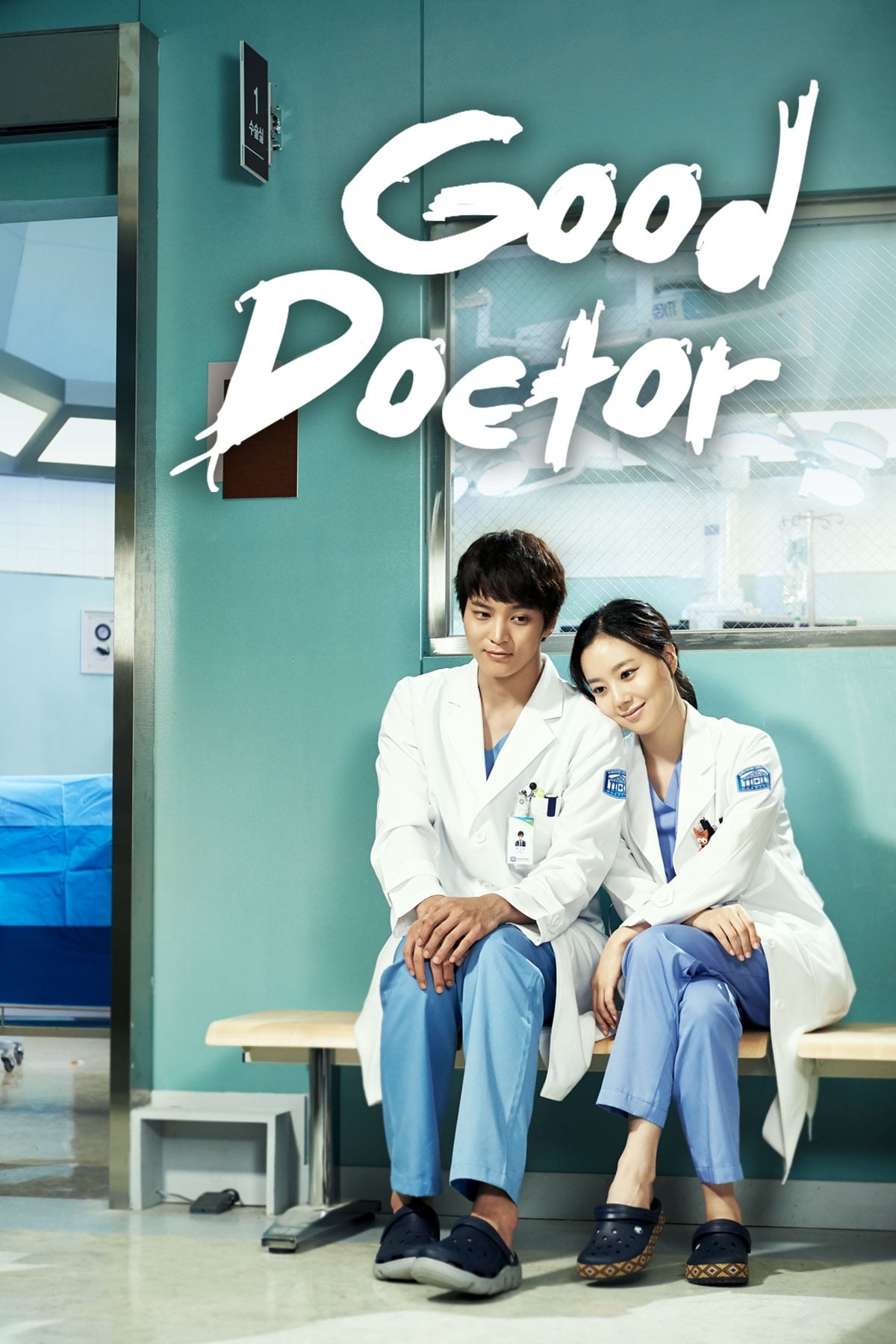
- Check out the South Korean Original: If you want a different flavor, the 2013 K-drama Good Doctor is only 20 episodes long and offers a more fairy-tale, romanticized version of the story. It’s fascinating to see what David Shore (the US showrunner) kept and what he changed.
- Don't Skip the "Dr. Glassman" Arcs: The show is as much about the aging process and mentorship as it is about autism. Richard Schiff’s portrayal of a man losing his edge while trying to protect his legacy is heartbreaking.
The legacy of The Good Doctor TV series isn't just that it was a hit. It’s that it proved a show about a disabled lead could be a mainstream powerhouse without compromising on the complexity of that disability. It didn't "cure" Shaun. It just showed him living. And honestly? That was enough.
To dive deeper into the series, the best path is to watch the episodes chronologically, as the character growth is strictly cumulative. If you're looking for specific medical accuracy, many real-life surgeons on YouTube have reacted to the episodes, pointing out where the show gets the "scrubbing in" process right and where it takes creative liberties for the sake of drama. Watching these alongside the series provides a secondary layer of appreciation for the production's attention to detail.