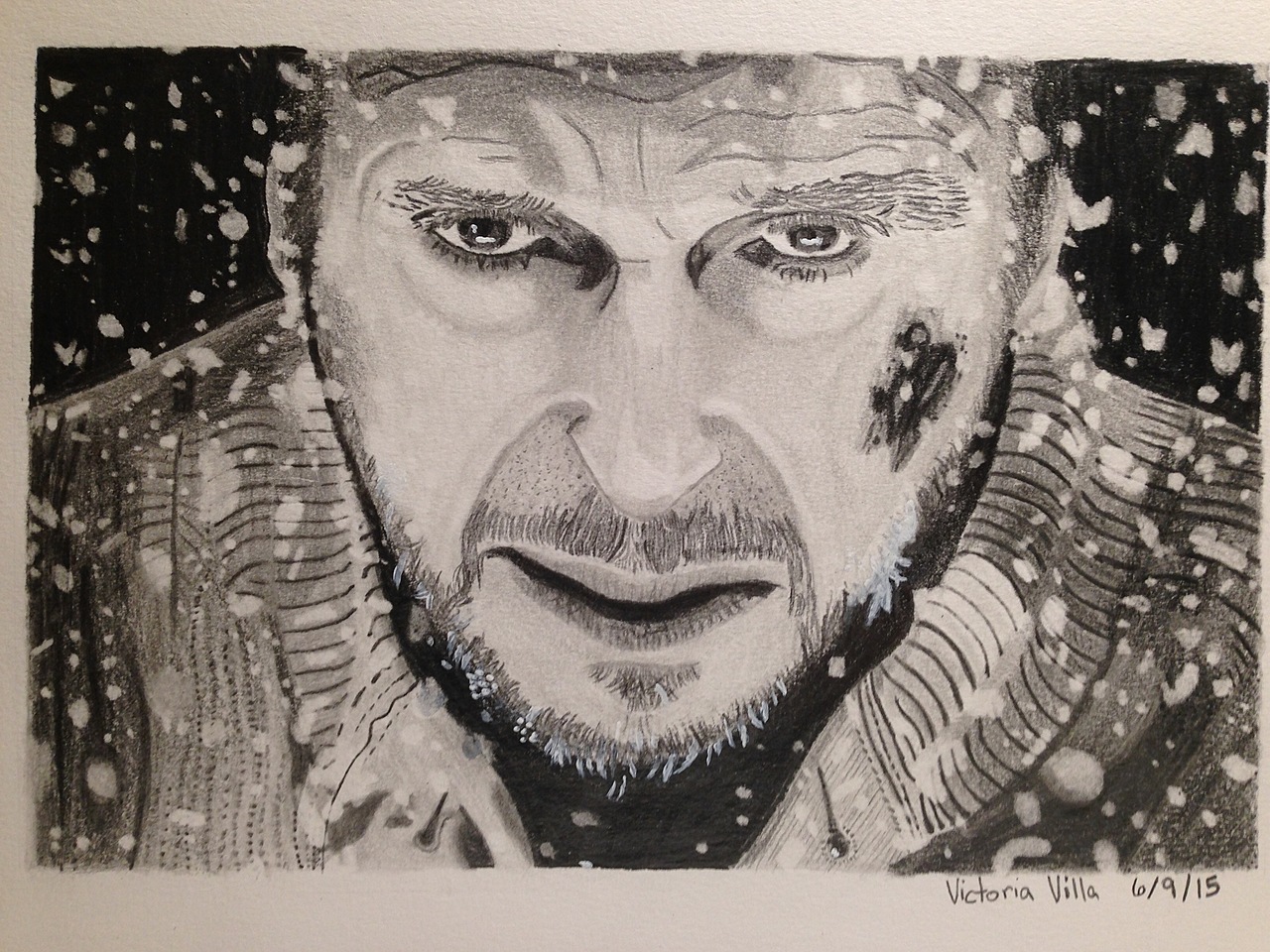
You probably remember the trailer. Liam Neeson, looking grizzled and exhausted, tapes broken miniature liquor bottles to his knuckles. He stands up, a makeshift Wolverine in the Alaskan tundra, ready to punch a giant wolf in the face. It’s the ultimate "tough guy" setup. But then you watched the movie, and it wasn't Taken with fur. Not even close.
Honestly, the marketing for the 2011 film The Grey was kind of a lie. It promised a high-octane action flick where an aging hero kills his way through a pack of monsters. Instead, director Joe Carnahan gave us a soul-crushing, beautiful, and deeply philosophical meditation on death. People were mad. I remember sitting in the theater hearing folks grumble as the credits rolled. They wanted the wolf fight. They didn't get it.
The Grey with Liam Neeson is a Story About Giving Up (And Not)
Most survival movies are about the triumph of the human spirit. You know the drill: the hero finds a hidden reserve of strength, builds a fire from two sticks, and makes it home to his family. The Grey is different. It’s basically a horror movie where the "monster" is the inevitability of the grave.
Ottway, Neeson's character, starts the movie with a gun in his mouth. He's an expert marksman hired to protect oil pipeline workers from predators, but he's also a man who has lost his wife to a terminal illness. He’s already dead inside. When the plane goes down in the remote wilderness of British Columbia (which stood in for Alaska), he’s the only one with the skills to survive. Ironically, he’s the only one who doesn't really want to.
What actually happens in that ending?
This is the big one. The part that launched a thousand Reddit threads. After watching his teammates get picked off one by one—some by the wolves, some by the freezing river, one by simple altitude sickness—Ottway finds himself alone. He’s walking through the snow, and he stumbles right into the wolves' den. It's the worst possible luck. Or maybe it's fate.
He realizes he’s done. There’s no more running. He takes out the wallets he collected from his dead comrades, looks at the photos of their families, and then he looks up at God. He literally yells at the sky for a sign. Nothing happens. No miracle. Just more snow.
That’s when he recites his father’s poem:
"Once more into the fray...
Into the last good fight I’ll ever know.
Live and die on this day...
Live and die on this day."
He tapes the glass to his hands. The Alpha wolf lunges. Smash cut to black.
The Post-Credits Scene Nobody Noticed
If you left the theater as soon as the names started scrolling, you missed the most important part. There’s a tiny, five-second coda after the credits. It shows the back of Ottway’s head resting on the side of the Alpha wolf. Both are breathing slowly. The wolf is dying. Ottway is probably dying.
It’s not a victory. It’s a draw.
The point isn't that he won the fight. The point is that the man who wanted to kill himself at the start of the movie decided to fight for one more minute of life at the end. He didn't survive, but he "lived" those last few seconds. That’s the nuance people missed because they were looking for a CGI brawl.
Realism vs. The "Supernatural" Wolves
Environmentalists hated this movie. Groups like PETA and WildEarth Guardians actually called for a boycott. Why? Because the wolves in The Grey are basically ninjas. Real wolves almost never attack humans. In the last 100 years, there have been maybe two fatal attacks in North America. In the movie, they're like serial killers.
Director Joe Carnahan didn't care about biology. He’s gone on record saying the wolves represent "nature's indifference." They aren't supposed to be realistic animals; they're demons. They are the personification of the cancer that killed Ottway's wife. You can't bargain with them. You can't outrun them. You can only face them.
Behind the Scenes: The Wolf Stew Incident
To get the cast in the "mood" for the harsh conditions, Carnahan actually had the actors eat real wolf stew. Liam Neeson apparently went back for seconds, saying it was "gamey" but he’s Irish, so he’s used to weird stews. Some of the other actors supposedly threw up. It was a brutal shoot in Smithers, British Columbia. Temperatures dropped to -40 degrees. The wind was so loud they had to dub most of the dialogue later. When you see Neeson shivering, that’s not acting. He was actually freezing.
Why it still matters today
The Grey with Liam Neeson has aged remarkably well. In an era of "invincible" action stars, it’s rare to see a movie where the hero is this vulnerable. It’s a $25 million mid-budget film that made about $81 million—a solid hit, but its real legacy is in how it sticks in your brain.
It asks a terrifying question: If you knew for a fact you were going to lose, would you still fight?
Most movies say "you can win if you try hard enough." The Grey says "you’re going to lose, so make it a good fight." It’s bleak as hell, but sort of inspiring in a dark way.
Actionable Insights for Your Next Rewatch
If you’re going to watch this again, keep these things in mind to catch the layers you probably missed the first time:
- Watch the eyes. Throughout the movie, Ottway talks about how wolves don't have souls. But look at the Alpha’s eyes in the final shot. There’s a weird moment of recognition.
- Listen to the wind. The sound design is incredible. The wind often sounds like human screaming or whispering, blurring the line between reality and Ottway’s grief.
- The Wallet Motif. Notice how Ottway collects the wallets. He’s carrying the weight of all those lives. When he finally lets them go in the den, he’s finally letting go of his own baggage.
- Don't skip the credits. Seriously. Wait for that final frame. It changes the entire meaning of the "smash to black" ending.
Whether you see it as a survival thriller or a philosophical poem about mortality, The Grey remains Neeson’s best "serious" performance since Schindler's List. It’s a movie that demands you pay attention to the silence.