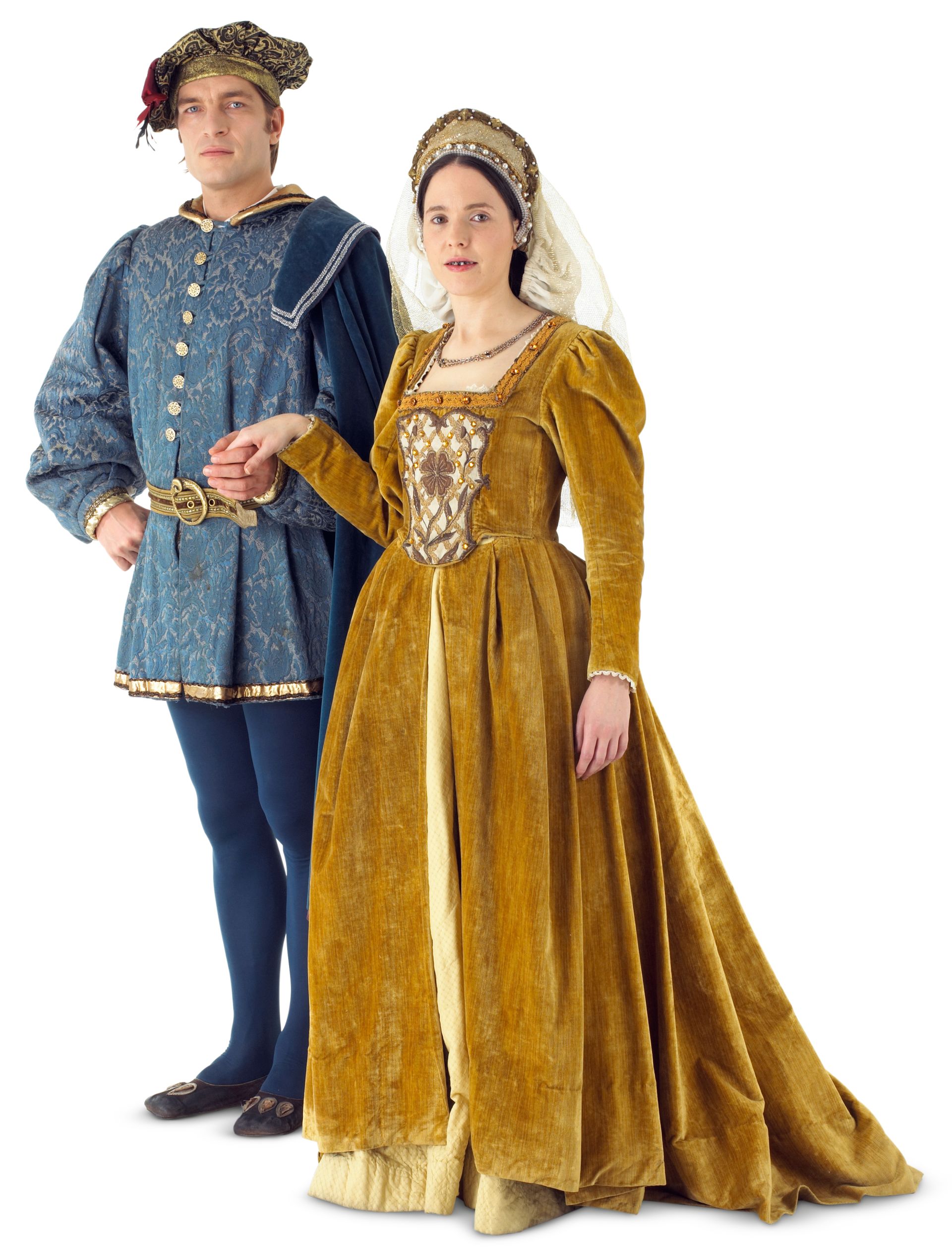
It wasn't just about the hats. When most people ask what is Tudor period history all about, they usually picture Henry VIII screaming for a turkey leg or Elizabeth I looking like she’s trapped in a giant lace doily. Honestly? It was way messier than that. The Tudor era was a century-long roller coaster that took England from a backwater medieval mess to a global powerhouse. It started with a guy who had a very shaky claim to the throne and ended with a woman who refused to marry anyone at all.
Between 1485 and 1603, everything changed. People stopped thinking the Earth was the center of the universe, the church got ripped apart and glued back together, and the English language actually started sounding like something we’d recognize today.
The Bloody Start: How the Tudors Even Became a Thing
If you want to understand the Tudor period, you have to look at the mess that came right before it. The Wars of the Roses. It was basically a decades-long family feud between the Lancasters and the Yorks. Imagine two branches of the same family fighting over the TV remote, but the remote is the entire country and everyone has swords.
Henry VII was the dark horse. In 1485, he beat Richard III at the Battle of Bosworth Field. Richard was the last English king to die in battle, and they literally found his bones under a parking lot in Leicester a few years ago. That’s not a legend; it’s a verified archaeological fact from the University of Leicester team. Henry VII wasn’t particularly charismatic or well-loved, but he was great at math. He spent his reign counting pennies and making sure the nobles were too poor to start another war. He was the ultimate "boring but necessary" CEO of England.
He married Elizabeth of York to merge the two feuding houses. That’s where the "Tudor Rose" comes from—the red and white petals joined together. It was a branding masterpiece. Without Henry VII’s obsession with stability and taxes, his son would never have had the money to be the flamboyant, wife-collecting king we all know.
Henry VIII and the Great Breakup
Henry VIII is the reason the Tudor period is famous. But he wasn't always the grumpy, larger-than-life figure in the portraits. As a young man, he was an athlete. He was tall, handsome, and loved music. But he had one massive problem: he needed an heir.
When people ask "what is Tudor period" culture defined by, the answer is often the Reformation. Henry wanted to divorce Catherine of Aragon because she hadn't produced a surviving son. The Pope said no. So, Henry basically said, "Fine, I’ll start my own church where I’m the boss."
This wasn't just about a divorce. It was a massive geopolitical shift. By breaking with Rome, Henry VIII seized the wealth of the monasteries. He literally tore down centuries-old buildings to sell the lead off the roofs. It was a massive redistribution of wealth that created a new class of loyal gentry. If you look at the research of historians like Eamon Duffy, you’ll see that this wasn't necessarily a popular move with the average person in the village. It was a top-down revolution that changed the soul of the country forever.
The Six Wives are Just the Tip of the Iceberg
Everyone memorizes the rhyme: divorced, beheaded, died, divorced, beheaded, survived.
- Catherine of Aragon: The dignified Spanish princess who fought for her marriage for years.
- Anne Boleyn: The smart, charismatic woman who arguably sparked the English Reformation.
- Jane Seymour: The one who finally gave him a son but died days later.
- Anne of Cleves: The "Flanders Mare" (Henry's words, not mine), who was actually pretty smart and ended up as the "King's Beloved Sister" with a bunch of houses and a good pension.
- Catherine Howard: A teenager who got way in over her head and paid with her life.
- Catherine Parr: The scholar who managed to outlive the old man and keep his kids from killing each other.
Life Wasn't All Gold Chains and Velvet
Let's be real. If you were a regular person in the Tudor period, life was kind of gross. London was a death trap of open sewers and plague. The "sweating sickness" was a mysterious disease that could kill a healthy man in hours. No one really knows what it was to this day, though researchers often speculate it was a hantavirus or something similar.
Sugar was the new status symbol. Because the Tudors started exploring the Americas and trading more, sugar became available to the rich. They loved it so much they put it on everything. Even their meat. Elizabeth I famously had black teeth because she ate so much sugar. It was a sign of wealth—basically saying, "I'm so rich I can afford to rot my own mouth."
The food for the poor was mostly "pottage," a thick vegetable stew with whatever was lying around. If you were lucky, you had some bacon in there. If you weren't, it was just grains and leeks. Bread was the staple, but the quality depended on your class. The rich ate "manchet" (white bread), while the poor ate "cheat" or "brown" bread filled with husks and grit that ground down their teeth.
The Elizabethan Golden Age?
After the chaos of Edward VI (the boy king) and Mary I (who earned the nickname "Bloody Mary" for burning Protestants), we get to Elizabeth I. This is the peak of the Tudor period.
Elizabeth was a master of image. She turned herself into a cult figure—the Virgin Queen. She used her single status as a diplomatic tool, dangling the prospect of marriage in front of every prince in Europe to keep them from invading. It worked for 44 years.
This was the time of William Shakespeare, Christopher Marlowe, and the Globe Theatre. People think of Shakespeare as "high art" now, but back then, it was for everyone. The people in the "pit" would throw orange peels at the actors if they were bored. It was loud, smelly, and vibrant.
The Spanish Armada and Global Ambition
In 1588, Spain sent a massive fleet to topple Elizabeth. The English won, mostly thanks to better ship design, some fire ships, and a massive storm that the English called the "Protestant Wind."
This moment shifted the Tudor period into a new gear. England started looking outward. Sir Francis Drake circumnavigated the globe. Walter Raleigh tried (and failed) to start colonies in North America. This was the messy, violent birth of the British Empire.
What Most People Get Wrong About the Tudors
There’s this idea that everyone was constantly being executed. While the Tudors were definitely "stabby," the average person wasn't living in fear of the Tower of London every day. Most people were more worried about the harvest or the price of wool.
Another misconception is that it was a "dark age." Actually, it was a period of incredible scientific and artistic growth. The printing press changed everything. For the first time, people could read the Bible in English. Literacy rates climbed. People were starting to question the status quo.
The Tudors also had a weirdly complex legal system. They loved a good lawsuit. If a neighbor’s cow wandered into your garden, you didn't just punch them; you took them to court. We have thousands of records from the Court of Star Chamber and Chancery that show a society obsessed with property rights and "getting it in writing."
Why It Still Matters Today
The Tudor period shaped the modern world. The Church of England exists because of Henry VIII. The concept of English identity and "Britishness" took root under Elizabeth I. Even the way we speak—the metaphors we use and the structure of our stories—owes a debt to the Elizabethan playwrights.
It was a time of transition. It was the bridge between the medieval world of knights and peasants and the modern world of science and global trade. It was brutal, colorful, and completely fascinating.
Understanding the Tudor Legacy: Practical Steps
If you want to dive deeper into what the Tudor period actually looked like beyond the TV shows, here is how to get a real sense of the era:
- Visit a "Prodigy House": Go to places like Hardwick Hall or Burghley House. These weren't just homes; they were architectural power moves built to impress the Queen. Look at the "more glass than wall" design—glass was incredibly expensive, and these houses were the Tudor version of a private jet.
- Read the Primary Sources: Don't just read history books. Look at the letters of Lisle or the diaries of Edward VI. Seeing their actual handwriting and their mundane complaints about money or cold weather makes them feel like real people rather than waxwork figures.
- Study the "Great Map" of London: Look at the Agas map from the 1560s. You can see the density of the city, the theaters on the Southbank, and how the Thames was the main highway of the city.
- Explore the Music: Listen to Thomas Tallis or William Byrd. They were composing during the Reformation and had to constantly flip-flop their style between Catholic and Protestant requirements just to stay alive and employed. Their music holds the tension of the whole century.
- Check the National Portrait Gallery: Look at the portraits not just for the faces, but for the symbols. Every jewel, every animal, and every flower in a Tudor portrait was a coded message about power, loyalty, or grief.
The Tudor period ended when Elizabeth I died in 1603. She had no children, so the crown went to her cousin, James VI of Scotland. The "Tudor" name died out, but the world they built didn't. They took a small island and turned it into a central player on the world stage, leaving behind a trail of blood, art, and some very complicated family trees.