Walk into any gym, airport, or high-end fashion boutique right now and you'll see it. The Trefoil. The Three Stripes. It’s everywhere. Honestly, it’s kinda wild how one German company managed to convince the world that plastic-and-suede shoes are essential culture. But there’s a massive amount of confusion about what’s actually happening behind the scenes at the Herzogenaurach headquarters. People see the names adidas and adidas Originals and assume they’re just the same thing with different price tags. That’s not really it.
The distinction matters.
If you buy the wrong one for the wrong reason, you're either going to have sore feet after a marathon or look like a lost dad at a rave. One is built for the podium; the other is built for the vibes. This isn't just about sneakers, though. It’s about how a brand founded by Adi Dassler in 1949 managed to survive the rise of Nike, the fall of Yeezy, and the fickle nature of TikTok trends without losing its soul.
The Performance vs. Heritage Split
The main thing to understand is that adidas (often called Performance) is where the science happens. This is where you find the Adizero Pro Evo 1—the shoe Tigist Assefa wore to shatter the world record in Berlin. It’s all about carbon plates, Lightstrike Pro foam, and moisture-wicking tech that feels like a second skin. If it has the "Badge of Sport" logo (those three slanted bars), it’s meant to be sweated in.
Then you have adidas Originals.
This is the lifestyle sub-brand. It’s the home of the Trefoil logo, which was originally the company’s main logo from 1972 until the early 90s. When you’re looking at a pair of Sambas, Gazelles, or Superstars, you’re looking at Originals. These aren't for running marathons. Seriously, don't try to run a 5K in a pair of 1970s-spec Gazelles unless you enjoy shin splints. Originals is about "heritage." It’s about taking designs from the archive and making them relevant for people who care more about how their outfit looks at brunch than their split times on a track.
Why the Samba Suddenly Took Over Your Life
You couldn't escape them in 2023 and 2024. The Samba. It’s a shoe that was originally designed in 1949 for football players to train on icy, frozen ground. So, how did it become the "it" shoe for every fashion influencer on the planet?
It wasn't an accident.
adidas Originals is masters of the "slow burn" marketing strategy. They leaned heavily into collaborations with designers like Grace Wales Bonner, who added crochet details and luxury finishes to the classic silhouette. Suddenly, a $100 indoor soccer shoe was being styled with $2,000 oversized suits. This is the superpower of the Originals line: it bridges the gap between working-class sports history and high-fashion gatekeeping.
But there’s a downside to this kind of hyper-popularity. Overexposure is real. When a shoe becomes a uniform, the "cool crowd" usually moves on. We’re already seeing this shift toward the SL72 and the Country OG. The brand has to constantly dig through its own trash—metaphorically speaking—to find the next retro hit before the current one burns out.
The Tech That Actually Works (and the Stuff That’s Just Hype)
Let's get into the weeds for a second. adidas isn't just coasting on 70s nostalgia. Their R&D department is actually doing some pretty heavy lifting.
Boost Foam: Everyone knows Boost. It’s those white pebbles that look like Styrofoam. When it launched in 2013, it changed everything. It uses expanded thermoplastic polyurethane (eTPU). It’s bouncy. It’s durable. It doesn't get hard in the cold. While it’s not the "fastest" foam anymore compared to the new super-foams, it’s still the gold standard for daily walking comfort.
4D Printing: You’ve probably seen those lime-green lattice midsoles. That’s "Digital Light Synthesis." Basically, they use light and oxygen to grow a midsole out of liquid resin. Is it better than foam? For most people, probably not. It’s heavier. But it allows for "tunable" cushioning where certain parts of the sole are stiffer than others. It’s a glimpse into a future where your shoe is 3D printed to match your exact foot strike.
Parley for the Oceans: This isn't just greenwashing. They’ve actually turned millions of plastic bottles intercepted from beaches into high-performance yarn. It shows that adidas understands the existential threat to their business: people don't want to buy more plastic junk if it’s killing the planet.
The Post-Yeezy Reality Check
We have to talk about the elephant in the room. The breakup with Ye (Kanye West) was messy. It left the brand with over $1 billion worth of unsold Yeezy stock and a massive hole in their culture-cred.
For a while, industry analysts were worried.
How do you replace that kind of heat? You don't. You pivot. Under the leadership of CEO Bjørn Gulden (who famously jumped ship from Puma), the brand stopped trying to find "the next Kanye" and went back to basics. They doubled down on the adidas Originals classics. They focused on Terrace culture—the aesthetic of European football fans from the 70s and 80s. It worked. By focusing on their own DNA rather than a single celebrity, they’ve arguably become more stable.
How to Actually Tell the Difference When You're Shopping
If you're staring at a wall of shoes and feel overwhelmed, look at the logo first. It’s the easiest cheat code.
- The Three Slanted Bars (Badge of Sport): Buy this if you are going to the gym, running, playing tennis, or actually doing something that involves a heart rate over 100 BPM. The materials are breathable, synthetic, and built for movement.
- The Trefoil (Originals): Buy this for "the look." These are made of suede, heavy leather, and rubber. They look better with jeans. They look better as they get a bit beat up. They are "lifestyle" pieces.
- The Three Stripes (Sportswear): This is a newer middle-ground category. It’s basically "athleisure." It’s for people who want the comfort of performance gear but aren't actually going to run a marathon in it. Think comfy hoodies and tapered joggers.
What Most People Get Wrong About "German Engineering"
There’s this myth that because it’s a German company, everything is rigid and formal. In reality, adidas is incredibly decentralized. Their design hubs in Tokyo, Shanghai, and Brooklyn often have more influence on what you see in stores than the German HQ.
The Tokyo Design Studio, for example, is responsible for some of the most experimental "Originals" pieces that eventually trickle down to your local mall. They understand that street style in Harajuku is going to influence London three months later. It’s a global feedback loop.
Actionable Steps for the Smart Buyer
Stop paying resale prices. Unless you’re chasing a very specific, limited-edition collaboration (like the A Ma Maniére or Sean Wotherspoon drops), most adidas Originals will eventually restock.
- Check the "Outlet" Section First: adidas has one of the best online outlets in the game. Because they produce so much volume, even "hype" colors of the Ultraboost or NMD often end up there at 40% off.
- Size Up in Retros: Many Originals silhouettes, especially the Samba and Gazelle, run narrow. If you have wide feet, don't suffer through the break-in period. Go up half a size.
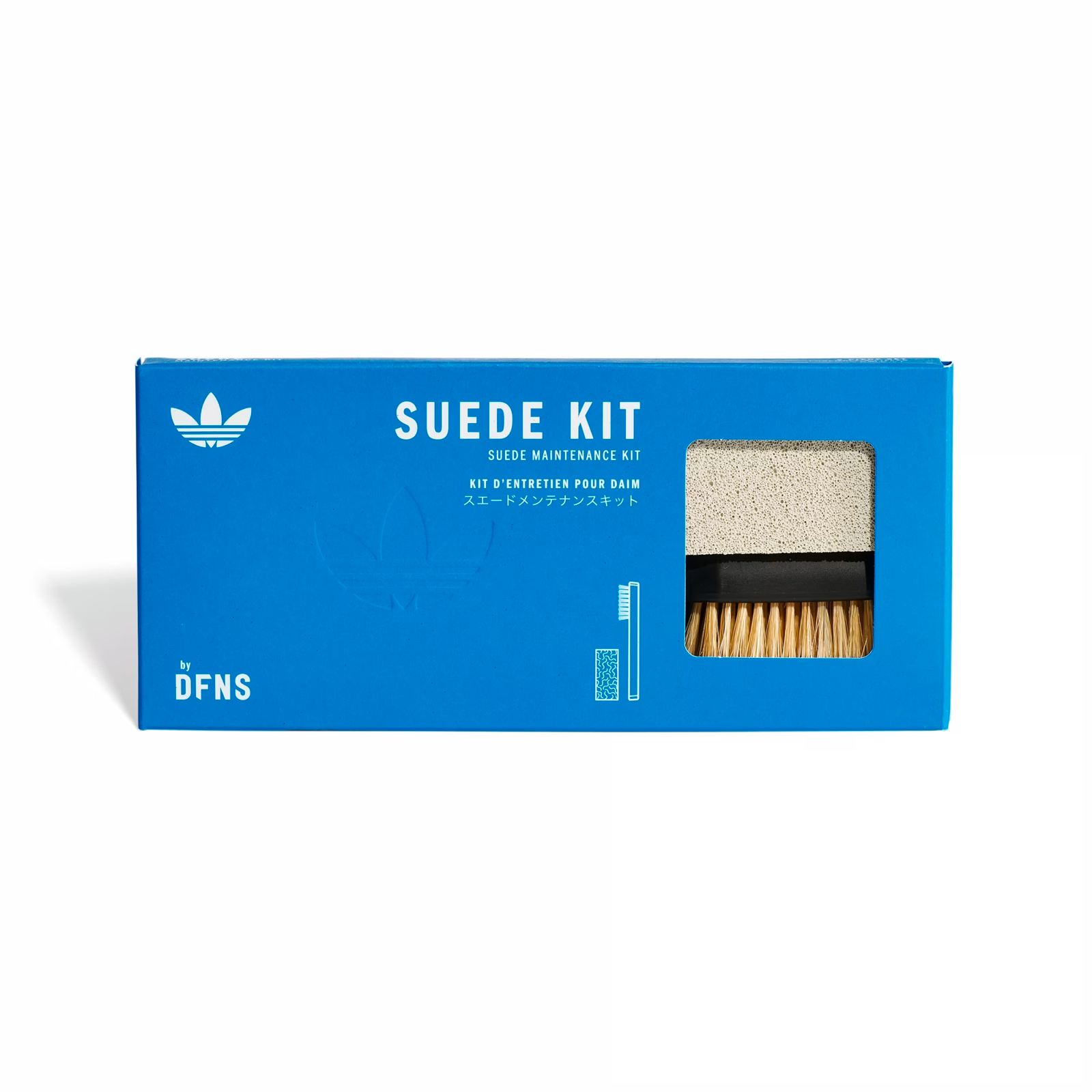
- Maintenance Matters: Suede is the enemy of rain. If you buy a pair of Gazelles, spend the extra $10 on a water-repellent spray. It’s the difference between your shoes looking fresh for a year or looking like a soggy mess after one bad storm.
- Know Your Silhouettes: If you want comfort, buy something with Boost or Adiprene. If you want a timeless look, stick to the Stan Smith (the best-selling tennis shoe of all time for a reason) or the Superstar.
The reality is that adidas has survived by being two different companies at once. They are a high-tech sports lab and a nostalgic fashion house. As long as they keep the science in the Performance line and the soul in the Originals line, they aren't going anywhere. Just make sure you know which one you're putting on your feet before you head out the door.