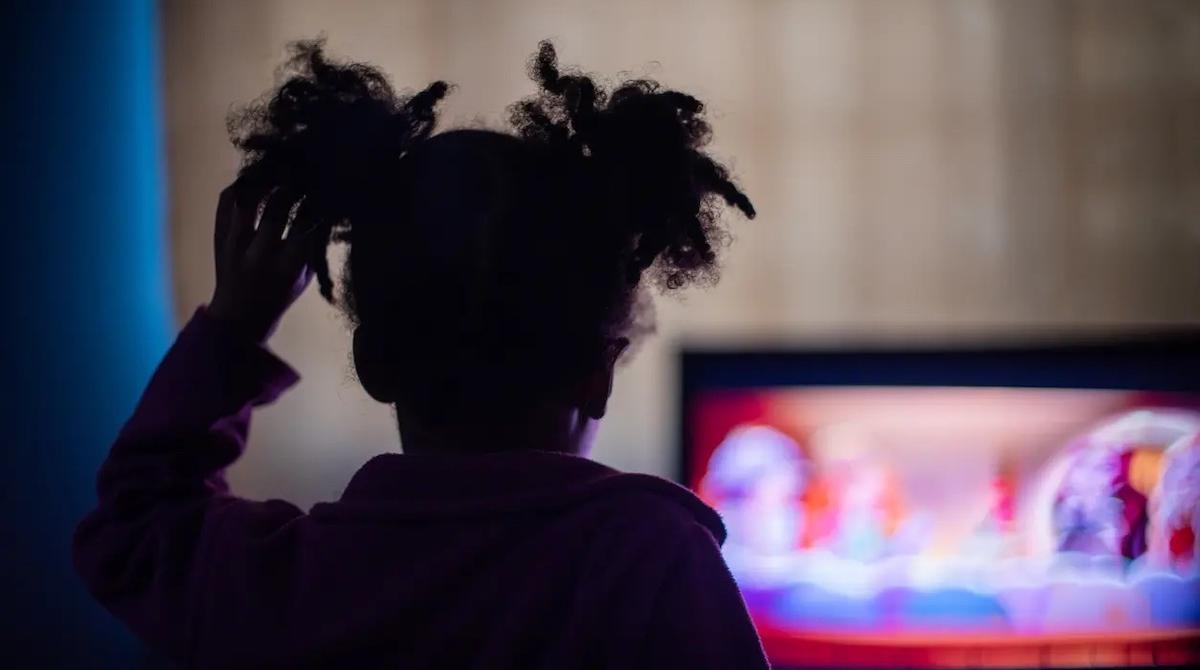
You’ve seen it. That glazed look in a toddler’s eyes the second those bright, bulging-eyed characters hit the screen. It’s almost eerie. One minute, your kid is a whirlwind of chaos, and the next, they are a silent, unmoving statue. For many parents, CoComelon is a lifesaver—a 20-minute window to finally unload the dishwasher or drink a coffee that hasn't gone cold. But lately, the internet is full of "CoComelon detox" stories and warnings from child development experts that are enough to make any mom or dad second-guess the remote.
So, honestly, why is CoComelon bad? Or is it just the latest thing for the "perfect parenting" police to judge?
The truth is somewhere in the middle. It’s not "poison," but it isn't exactly a bowl of broccoli for the brain either. When people talk about this show being problematic, they aren't just complaining about the annoying earworm songs. They are talking about the way the show is literally engineered to hijack a child’s nervous system.
The Science of Overstimulation (and the Dopamine Hit)
Most "normal" children's shows—think Mister Rogers or even Bluey—have a certain rhythm. The camera stays still for a bit. Characters talk. There is a pause for the kid at home to think.
CoComelon does the opposite.
If you sit down and actually time the scene changes, it’s wild. Research and frame-by-frame analyses by child development specialists like Jerrica Sannes have noted that the scenes in CoComelon often change every 1 to 3 seconds. The camera is constantly zooming, panning, or cutting. For a developing brain, this is a lot. Actually, it’s too much.
When a scene changes that fast, the brain gets a tiny hit of dopamine. It’s a "new" stimulus, so the brain stays locked in. This is why kids look like "zombies" when it’s on; they aren't necessarily learning or enjoying it in a traditional way—they are physically incapable of looking away. Their brains are being bombarded with more information than they can actually process.
Expert Insight: Jerrica Sannes, who has a background in early childhood education, famously described the show as acting like a "stimulant" for the brain. She argues that the level of hyper-stimulation is so high that everything in the real world—which moves much slower—starts to feel boring and frustrating to the child.
Why the "CoComelon Meltdown" Is a Real Thing
Have you ever tried to turn off the show and felt like you were witnessing a literal withdrawal? You’re not imagining it.
Because the show provides such a high, constant stream of dopamine, turning it off causes a sharp crash. The toddler’s nervous system can't regulate that sudden drop. This leads to those "epic meltdowns" that are significantly more intense than a regular "I don't want to go to bed" tantrum.
Basically, the show sets a baseline for excitement that real life can’t match. Playing with wooden blocks or looking at a picture book feels "too slow" compared to the flashing, singing, 3D-animated world of JJ and his family.
Concerns About Speech and Focus
There is also a growing conversation among Speech-Language Pathologists (SLPs) about how these shows affect language.
Some parents swear CoComelon helped their kids learn words. And sure, the repetition of "Please and Thank You" songs can help with vocabulary. But there’s a catch. Real language development happens through social interaction—back-and-forth "serve and return" communication.
CoComelon is a one-way street.
The animation style is also quite "bouncy" and stylized. Unlike creators like Ms. Rachel, who uses "parentese" and shows close-ups of her mouth forming words, CoComelon characters have mouths that move in a very simplified, digital way. This doesn't give toddlers the visual cues they need to understand how to physically form sounds.
Furthermore, a study published in Psychology Today referenced how fast-paced media can impair executive function in preschoolers. This includes:
- Impulse control (being able to say "no" to themselves).
- Working memory.
- The ability to focus on a single, non-flashing task.
The "Distractatron" and Content Engineering
It’s worth noting how the show is made. Moonbug Entertainment, the company that owns the brand, uses something called a "Distractatron" during testing.
Essentially, they show kids the cartoon on one screen and a distracting, boring loop on another. If the child looks away from CoComelon for even a second, the creators go back and "fix" the scene to make it more attention-grabbing.
They are literally engineering the show to be un-ignorable. While that’s a great business model, many developmental experts argue it’s not great for a child's ability to develop internal focus. We want kids to learn how to pay attention to things because they are interested, not because they are being forced to by visual triggers.
Does This Mean You Have to Ban It?
Look, parenting is hard. If you are sick, or on a 4-hour flight, or trying to cook a meal without someone burning the house down, CoComelon isn't going to "break" your child forever.
The issue is excessive, daily use.
Most pediatricians and researchers, including those from the American Academy of Pediatrics (AAP), suggest that if you’re going to use screen time, "high-quality" and "slower-paced" is the way to go.
Better Alternatives to CoComelon
If you’re looking to transition away from the "Coco-trance," these shows are often recommended by experts for being gentler on the nervous system:
- Trash Truck (Netflix): Very calm, slower pacing, focuses on friendship.
- Puffin Rock (Netflix): Beautiful, muted colors and a soothing narrator.
- Bluey (Disney+): While faster than some, it focuses on imaginative play and emotional intelligence.
- Little Bear: An oldie but a goodie. Very slow, classical music, very peaceful.
- Ms. Rachel (YouTube): Great for speech, as she mimics real-life teaching techniques.
Practical Steps for Parents
If you think your child might be overstimulated by the show, you don't have to go cold turkey today (unless you want to).
Try the "Playback Speed" trick. If your kid is obsessed, try watching it on YouTube and setting the playback speed to 0.75x. It slows the music and the cuts just enough to be less jarring.
Another move? Watch it with them. Instead of letting it be a "zombie" experience, narrate what's happening. "Look, JJ is eating peas! Do you like peas?" This turns a passive, hypnotic experience into an active, social one.
Honestly, the "badness" of CoComelon isn't that it's "evil." It’s just that it’s "too much." In a world designed to grab our attention at every turn, teaching our kids how to handle a slower pace of life might be the best gift we can give their developing brains.
Actionable Next Steps
- Audit the behavior: Watch your child for 10 minutes after you turn off the show. Are they irritable, aggressive, or unable to find a toy to play with? That’s your sign it’s too much.
- Set a "Screen-Free" Buffer: Try to avoid high-stimulation shows at least two hours before bedtime to let the brain's dopamine levels settle.
- Rotate your "Menu": Introduce one "slow" show a week. They might complain at first because it’s not as "flashy," but their brains will eventually adjust to the gentler rhythm.