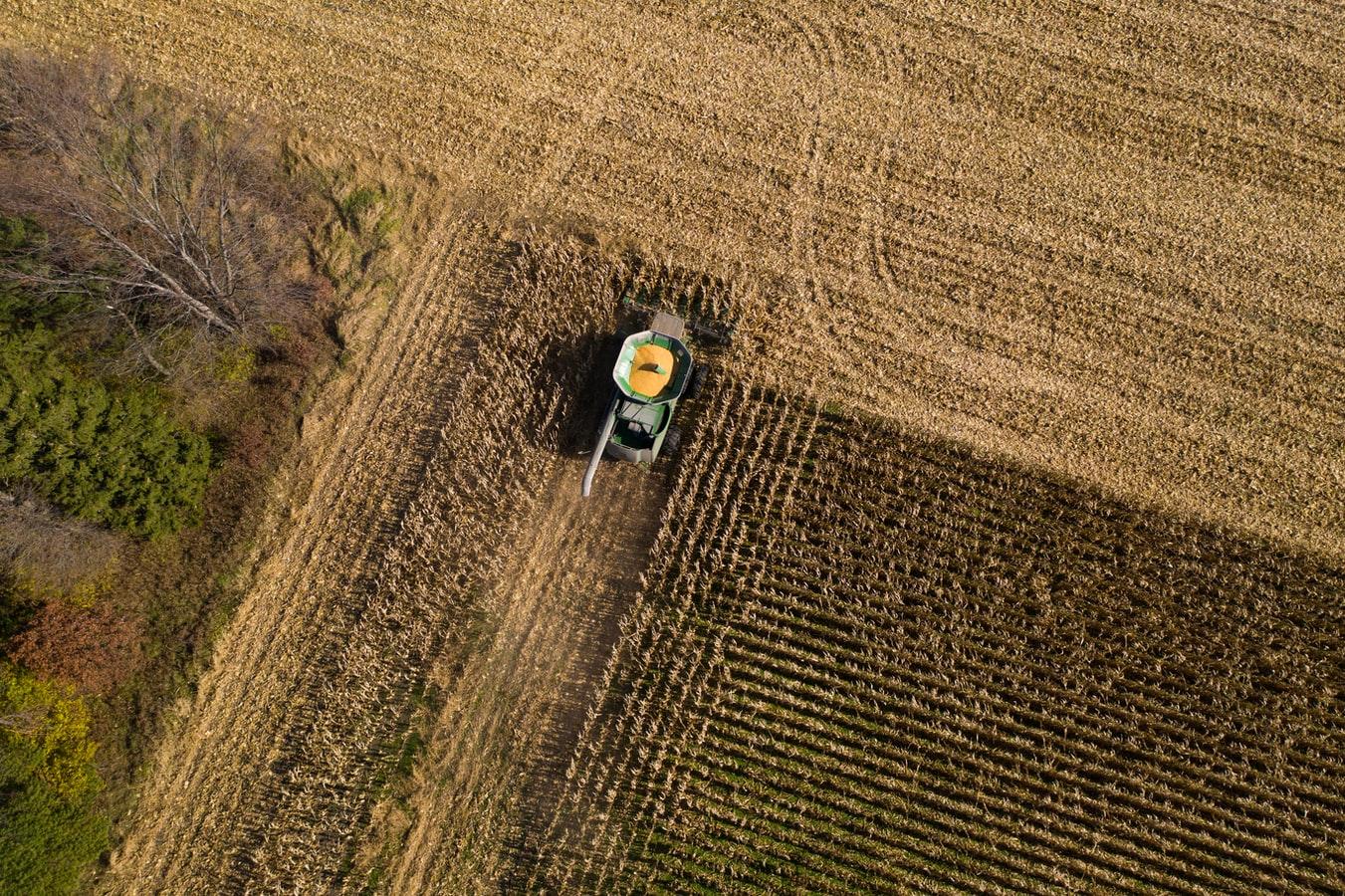
Drive north out of Baltimore City, past the beltway and the suburban sprawl of Towson, and the landscape starts to shift. The asphalt softens into rolling green hills. Most people don’t realize that right there in Cockeysville, tucked away off Shawan Road, sits 149 acres of public land that basically acts as the heartbeat of Maryland’s rural heritage. It’s the Baltimore County Agriculture Center.
It’s a weird mix, honestly.
You’ve got high-tech regional offices, 4-H kids wrestling livestock, and suburban families just trying to find a decent hiking trail that isn't paved over. It’s not just a park. It’s not just a government building. It’s this living, breathing experiment in keeping farming alive in a county that is rapidly becoming one giant parking lot. If you've lived in Maryland for a decade and never turned into that driveway, you're missing out on what the region actually used to look like.
What Actually Happens at the Baltimore County Agriculture Center?
People usually end up here for one of two reasons: they’re either looking for the University of Maryland Extension office or they want to see the cows. But the Baltimore County Agriculture Center does a lot of the heavy lifting for the local economy that goes unnoticed. It houses the Baltimore County Soil Conservation District and the Farm Service Agency. These aren't just names on a door. These are the people making sure our local water stays clean and that farmers don't go bust when the weather turns sour.
It’s about the soil.
The center operates as a hub for the Maryland Department of Agriculture. If you are a commercial farmer in the Hereford Zone or a backyard gardener in Catonsville, this is where the expertise lives. They run workshops on everything from "How to not kill your honeybees" to "Complex nutrient management for 500-acre corn fields." It’s practical. It’s gritty. It’s rarely "Instagrammable," and that’s why it’s actually valuable.
The property was formerly the farm of the Maryland Training School for Boys. It has that old-world, solid masonry feel. When you walk around the Farm Park section—which is the part most of us actually visit—you can feel the history. The county bought the place because they realized that if they didn't preserve a massive chunk of land for agricultural education, the next generation wouldn't know the difference between a hay bale and a hole in the ground.
The Trails and the Farm Park
Most locals just call it "The Ag Center."
The Farm Park has these meandering trails that aren’t nearly as crowded as Loch Raven or Oregon Ridge. You can walk through the demonstration gardens and see what’s actually in season. It’s a great reality check. You see a tomato plant that’s struggling with blight or some peppers that are thriving, and you realize that even the experts at the University of Maryland Extension deal with the same pests you do. It makes the whole "growing your own food" thing feel a lot less intimidating.
Why the 4-H Fair is the Real Peak
If you want to see the Baltimore County Agriculture Center in its prime, you have to go during the 4-H Fair in late summer. It’s loud. It smells like sawdust and livestock. It’s incredible.
This isn't the Maryland State Fair with the massive Ferris wheels and $15 deep-fried Oreos. This is the local version. You see kids who have spent six months raising a sheep, and they’re standing in a show ring trying to keep their cool while a judge critiques their animal’s muscle structure. It’s a side of Baltimore County that feels like it belongs in the 1950s, but the technology these kids are using—genetic tracking, precision feeding—is purely 21st century.
The Misconceptions About Local Farming
A lot of people think farming in Baltimore County is dead. It’s not. It’s just changing. We’ve moved away from massive commodity crops and toward "boutique" agriculture—think goat cheese, pick-your-own berries, and organic greens. The Baltimore County Agriculture Center is the pivot point for this transition.
They host the Master Gardener Program here. These volunteers are basically the Navy SEALs of plant life. They put in hundreds of hours of training just to help you figure out why your azaleas are turning brown. They aren't gatekeepers; they're enthusiasts. If you show up with a leaf in a plastic baggie, someone there will probably spend twenty minutes explaining the life cycle of the Japanese beetle to you.
Why This Place Still Matters in a Digital World
We spend so much time looking at screens that we forget where calories come from. The center acts as a physical bridge.
The "Center for Maryland Agriculture and Farm Park"—the official, mouthful of a name—serves as a reminder that land has a purpose beyond being "developed." Every time a new townhouse complex goes up in Hunt Valley, the Ag Center becomes more important. It’s a literal field of study. Researchers use these plots to test how to grow crops with fewer chemicals, which eventually impacts the health of the Chesapeake Bay.
If we lose the Ag Center, we lose the institutional memory of how to feed ourselves.
Actionable Ways to Use the Center Right Now
You don't need to be a farmer to get something out of this place. Honestly, most of the people there are just hobbyists or curious neighbors. Here is how you actually take advantage of what they offer:
- Get your soil tested. Stop guessing what fertilizer to buy at Home Depot. Go to the Extension office, grab a soil test kit, and find out what your dirt actually needs. It’ll save you money and stop excess nitrogen from washing into the Gunpowder River.
- Walk the perimeter trail. If you want peace and quiet, the back trails near the wooded edges are some of the most underrated spots in the county. Bring binoculars; the birdwatching is legit because the mix of meadow and woods attracts everything from Red-tailed Hawks to Indigo Buntings.
- Check the calendar for the "Twilight Tours." These are evening walks led by experts who talk about specific agricultural topics. It’s like a college lecture but with fresh air and zero exams.
- Volunteer with the Master Gardeners. If you have a black thumb, this is how you fix it. They have workdays where you can get your hands dirty while learning the actual science of horticulture.
- Buy local at the source. While the center itself isn't a grocery store, the staff there can point you to the "Maryland Eat Local" guides that show exactly which farms in the Hereford and Sparks area are selling beef, eggs, and produce directly to the public.
The Baltimore County Agriculture Center isn't just a collection of barns and offices. It's a statement that the county still values its rural roots. Whether you're there for a 4-H meeting, a soil kit, or just a long walk in the sun, you're participating in a tradition that keeps Maryland feeling like Maryland. Don't just drive past it on your way to the Wegmans in Hunt Valley—turn in. It's quieter there, and you'll actually learn something.